
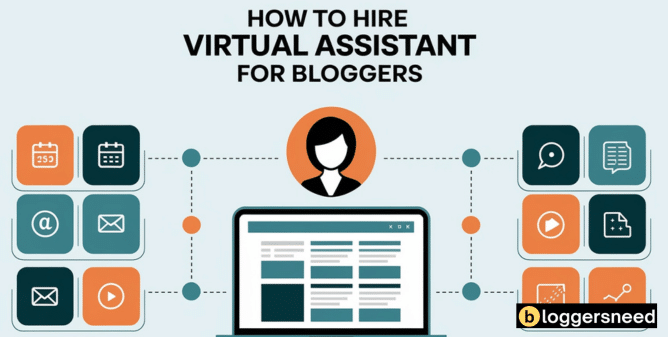
Finding the right virtual assistant for bloggers eliminates operational bottlenecks, accelerates publishing frequency, and frees website owners to prioritize content monetization. Evaluating platforms like OnlineJobs.ph, Upwork, and Fiverr allows digital publishers to source qualified specialists for formatting, SEO, and outreach.
Operating a profitable niche site demands consistent technical and administrative discipline beyond drafting articles. Delegating routine maintenance tasks protects your personal bandwidth for monetization strategy and partnership acquisition.
Managing server configurations on reliable budget hosting environments keeps site performance high while publishers focus on audience growth across search engines.
Evaluating recurring expenses alongside our guide on hosting infrastructure costs demonstrates that hiring freelance administrative help produces higher business returns than handling manual tasks solo.
Whether you need to hire a virtual assistant for formatting WordPress posts or building links, specialized staffing platforms provide vetted talent across every budget level.
Why Bloggers Need a Virtual Assistant
Bloggers need a virtual assistant to delegate repetitive operational tasks like WordPress formatting, graphics production, email management, and link building. Hiring qualified remote talent preserves 15 to 20 weekly hours for website owners, allowing them to focus strictly on revenue growth and keyword research.
Content creators frequently encounter operational burnout when juggling editorial planning, social media distribution, and technical maintenance simultaneously. This operational drag reduces output quality and slows organic site growth.
Bringing in an affordable virtual assistant for blog management shifts time-consuming tasks to dedicated freelancers. Routine tasks follow established checklists while you evaluate performance metrics and commercial partnerships.
Virtual assistants also maintain publishing schedules during vacations or illness. Consistent editorial output signals topical authority to search engines, helping your content maintain competitive search rankings.
Maintaining essential site utilities using our essential WordPress plugins checklist ensures your remote staff operates within a secure, stable staging environment.
Delegating on-page checklist execution using proven on-page SEO strategies allows assistants to configure meta tags, alt attributes, and internal links systematically.
7 Best Platforms to Hire Virtual Assistants in 2026
The 7 best websites to hire virtual assistants for digital publishers include OnlineJobs.ph, Upwork, Fiverr, Belay, Time etc, Fancy Hands, and FreeUp. These specialized talent platforms offer diverse hiring models, spanning low-cost overseas staffing, escrow-backed project contracts, and fully managed domestic executive assistants.
Choosing the right marketplace depends on your budget, required technical expertise, and management preferences. Below is a detailed breakdown of the premier staffing channels available in 2026.
1. OnlineJobs.ph
OnlineJobs.ph is the premier marketplace for hiring full-time and part-time virtual assistants from the Philippines. The platform gives bloggers direct access to over two million searchable profiles, allowing website owners to negotiate monthly salaries directly with candidates without ongoing platform commission fees.
In our hands-on OnlineJobs ph review testing, the platform excels at sourcing long-term team members for content management and administrative workflows. The talent pool includes skilled WordPress editors, graphic designers, and outreach specialists.
Filipino virtual assistants possess exceptional English proficiency, cultural alignment with Western businesses, and strong dedication to long-term employment. This stability reduces hiring churn significantly compared to project-based marketplaces.
Employers search resumes based on specific technical proficiencies such as Canva, WordPress, and Google Docs. The built-in messaging system enables direct candidate interviews and skills assessment before extending employment offers.
Pricing on OnlineJobs.ph operates on an employer subscription model. The Pro plan costs $69 per month and permits posting 3 active job listings while contacting up to 75 applicants. The Premium plan costs $99 per month for 10 active job listings and 500 candidate contacts.
Worker compensation is negotiated directly with applicants without ongoing intermediary transaction cuts. Typical salaries range between $400 and $800 per month for full-time support (equivalent to $3 to $5 per hour), making it the most cost-effective solution for bootstrapping blogs.
2. Upwork
Upwork is a global freelance marketplace offering hourly and fixed-price contracts for technical and specialized blogging tasks. The platform features robust candidate screening, work diary desktop time-tracking with automated screenshots, and escrow-secured milestone payments for complete project delivery control and payment security.
Upwork provides access to millions of freelancers across the globe, ranging from general administrative assistants to specialized web developers and SEO consultants. The platform provides detailed candidate history, verified earnings, and client feedback ratings.
When analyzing Upwork vs Fiverr for virtual assistant hiring, Upwork proves far superior for hourly ongoing arrangements and complex technical assignments. Its desktop time tracker captures activity levels and random keystroke intervals, ensuring billing transparency for remote hourly workers.
Employers can post detailed job specifications, invite pre-selected talent, and conduct recorded video interviews directly inside the messaging dashboard. This structured recruiting workflow helps publishers filter candidates efficiently.
Upwork charges clients a 5 percent marketplace fee on all invoice transactions. Freelancer rates vary widely by location and skill level, typically spanning $10 to $25 per hour for administrative support, and $30 to $65 per hour for technical WordPress developers.
The contract flexibility allows site owners to scale hours up or down based on current publishing demands. Fixed-price milestones protect client funds in escrow until deliverables pass editorial quality inspections.
3. Fiverr
Fiverr provides micro-task and gig-based virtual assistant services tailored for discrete blogging deliverables like Pinterest pin bundles and data entry. Transparent gig tiers allow blog owners to purchase predefined task packages with guaranteed turnaround times without negotiating hourly contracts or commitments.
Fiverr organizes freelance offerings into structured service packages called gigs. This structure eliminates lengthy back-and-forth negotiations, making it an efficient option for one-off tasks like creating 30 Pinterest graphics or auditing broken links.
Freelancers display client reviews, portfolio samples, and delivery timelines directly on their gig pages. Buyers select between Basic, Standard, and Premium tiers based on required deliverables and project turnaround speed.
For higher quality standards, Fiverr Pro features vetted professionals verified by internal evaluators for technical competence and professional service delivery. This tier provides reliable execution for complex blogging projects.
Pricing starts at $5 per gig for entry-level tasks, with standard packages ranging between $15 and $50 for comprehensive graphic sets or spreadsheet formatting. Fiverr applies a service fee of 5.5 percent on purchases, plus an extra $3 processing fee on orders under $75.
Fiverr is ideal for testing individual tasks before committing to ongoing staff. If a deliverable fails to meet project specifications, built-in dispute resolution protects buyer investments through revision requests.
4. Belay
Belay provides premium, fully vetted virtual assistants based in the United States for established bloggers seeking high-touch executive support. Belay handles candidate recruitment, background screening, and onboarding matching, ensuring website owners receive dedicated fractional support without conducting lengthy individual interview rounds.
Belay targets professional publishers, media companies, and digital agencies requiring top-tier administrative assistance. Assistants are college-educated professionals located across North America with extensive corporate and digital experience.
The company employs a rigorous multi-stage vetting process that accepts fewer than two percent of all applicants. This screening ensures your matched assistant possesses advanced communication skills, strategic thinking, and technological adaptability.
Instead of browsing candidate directories, Belay assigns a dedicated Client Success Consultant who analyzes your specific business needs and pairs you with a hand-selected assistant matching your working style.
Belay operates on monthly subscription retainers tailored to required hours. Pricing typically ranges from $1,400 to $4,500 per month depending on contract volume, representing an effective hourly rate of $38 to $50 per hour.
While Belay requires a higher financial investment than overseas platforms, the time saved on management, training, and supervision delivers substantial value for high-earning blogs requiring dependable executive support.
5. Time etc
Time etc pairs bloggers with experienced, college-educated virtual assistants located in the United States and United Kingdom. Featuring flexible monthly hour packages with unused rollover hours, the service lets site owners delegate administrative tasks, inbox filtering, and schedule management on demand.
Time etc focuses exclusively on English-speaking assistants possessing an average of 12 years of professional administrative experience. The platform enforces stringent vetting standards, accepting only the top fraction of applicants.
Clients receive a primary dedicated assistant for recurring tasks, supported by specialized team members for secondary assignments like research, transcription, or social scheduling. This shared structure ensures continuous coverage.
A standout benefit of Time etc is unused hour rollover. If publishing workloads decrease during a specific month, unspent hours roll into subsequent billing cycles without expiration penalties.
Pricing packages begin at $360 per month for 10 hours ($36 per hour), scaling to $680 per month for 20 hours ($34 per hour), and $1,120 per month for 35 hours ($32 per hour). Plans include dedicated account management and web portal access.
Time etc also offers a risk-free trial task for new clients. This introductory assignment lets publishers test assistant responsiveness, communication clarity, and work quality before finalizing a monthly plan.
6. Fancy Hands
Fancy Hands is a request-based virtual assistant service ideal for quick, 20-minute operational tasks and administrative requests. Bloggers submit requests via desktop web portal, email, or mobile app, which a distributed network of US-based assistants claims and completes in rapid succession.
Fancy Hands operates differently from dedicated assistant platforms. Rather than assigning one dedicated assistant, tasks enter a centralized queue where any available qualified team member claims and resolves the request.
This model works exceptionally well for micro-tasks that take 20 minutes or less to complete. Common blogging uses include contacting affiliate managers, scheduling interviews, proofreading short announcements, and gathering data points.
Submitting requests takes seconds through voice command, SMS, or email integrations. Assistants complete requests promptly, returning organized summaries directly to your inbox or project dashboard.
Subscription tiers are structured around monthly request limits. The Small plan costs $29.99 per month for 3 requests ($10 per task). The Medium plan provides 5 requests for $45.99 per month ($9.20 per task). The Large tier offers 10 requests for $85.99 per month.
Unused requests roll over each billing cycle as long as your membership remains active. Fancy Hands provides a frictionless solution for solo publishers needing occasional administrative support without managing staff.
7. FreeUp
FreeUp connects digital entrepreneurs and niche site owners with pre-vetted freelance talent representing the top one percent of global applicants. The platform matches clients with qualified virtual assistants within 24 hours and offers a no-hassle replacement guarantee if an assistant underperforms.
FreeUp solves the common complaint of spending hours screening unqualified resumes on open marketplaces. The company vets hundreds of freelance applicants weekly for technical skills, communication ability, and professional attitude before admitting them.
When you submit a staffing request detailing required tasks, FreeUp matches you with a qualified freelancer within 24 business hours. You conduct a brief interview and can initiate collaboration immediately.
If an assistant quits or fails to meet expectations, FreeUp replaces them rapidly and covers reasonable retraining costs. This guarantee protects publishing timelines from unexpected workforce disruptions.
Freelancers are categorized into three distinct experience tiers. Entry-level talent costs $5 to $15 per hour for basic data entry. Mid-level specialists cost $15 to $30 per hour for WordPress management. Expert freelancers command $30 to $75 per hour.
There are no recurring subscription fees or minimum hour commitments. Clients pay strictly for logged hours, making FreeUp a flexible option for expanding blogging operations.
Comparison Table: Top 7 Virtual Assistant Platforms
This comparison table evaluates the top 7 virtual assistant platforms across pricing models, vetting rigor, dedicated staffing availability, and optimal task suitability. Reviewing these criteria allows publishers to select the most cost-effective staffing channel for their specific editorial and operational needs.
Evaluating platform features side by side helps you match project complexity against monthly budgets. The specifications below reflect current marketplace terms for digital publishers in 2026.
| Platform Name | Pricing Model | Vetting Process | Dedicated Assistants | Best Task Type |
|---|---|---|---|---|
| OnlineJobs.ph | Monthly Salary ($400 – $800/mo) | Direct Employer Screening | Yes (Full-Time or Part-Time) | Long-term Ops & WordPress Uploads |
| Upwork | Hourly ($10 – $65/hr) or Fixed | Client Ratings & Work History | Yes (Ongoing Hourly) | Technical SEO & Custom Development |
| Fiverr | Per Gig ($5 – $100+ package) | Community Reviews & Pro Vetting | Project-based | Discrete Graphics & Social Bundles |
| Belay | Monthly Retainer ($1,400 – $4,500/mo) | Intensive Multi-Stage (Top 2%) | Yes (Dedicated US-based) | Executive & Editorial Management |
| Time etc | Hourly Packages ($32 – $36/hr) | Strict Background Checks (Top 2%) | Yes (Dedicated US/UK) | Admin, Inbox Filtering & Rollover Tasks |
| Fancy Hands | Per Request ($29.99 – $85.99/mo) | Internal US Skills Testing | Shared Pool (On-demand) | Quick 20-Minute Admin Requests |
| FreeUp | Hourly Tiers ($5 – $75/hr) | Pre-Vetted Network (Top 1%) | Yes (Direct Match) | High-Skill Ops & E-commerce Tasks |
For budget-conscious publishers seeking full-time support, OnlineJobs.ph delivers unbeatable value. Site owners needing verified technical execution should explore Upwork or FreeUp.
Common Tasks Bloggers Can Outsource to a VA
Bloggers can outsource high-frequency operational responsibilities including WordPress post formatting, Pinterest graphic design, broken link audits, and link building outreach. Delegating these structured workflows enables blog publishers to maintain editorial publishing frequency while maintaining stringent content quality and technical search standards.
Identifying which tasks to offload first requires auditing your weekly time expenditure. The four operational categories below represent high-impact delegation areas for modern content creators.
Formatting WordPress Posts and Editorial Uploads
Formatting WordPress posts involves transferring raw manuscripts into the Gutenberg block editor, configuring semantic heading hierarchy, inserting image alt attributes, and uploading featured graphics. Virtual assistants ensure every post adheres to styling guidelines and meta tags before scheduling articles for live blog publication.
A virtual assistant imports Google Docs content, standardizes paragraph spacing, and formats bulleted lists accurately. They convert subheadings into proper semantic H2 and H3 structures to support readability.
Assistants compress uploaded images, insert descriptive alt text, and configure category taxonomies. They can also review performance metrics via Google Search Console to confirm indexing status.
Pinterest Pin Creation and Social Media Scheduling
Pinterest pin creation requires designing click-worthy vertical graphic templates in Canva, generating descriptive pin titles, and scheduling daily queues through Tailwind. When you hire Pinterest virtual assistant specialists, your blog secures consistent visual referral traffic across high-intent consumer search categories and boards.
Visual search engines demand continuous creative variations to maintain traffic volume. An assistant designs 5 to 10 unique pin variations for every published article using established brand palettes.
They research trending group boards, craft keyword-rich pin descriptions, and schedule queue releases during peak audience browsing windows. Coordinating distribution across platforms follows our verified social media marketing strategies.
Basic Link Outreach and Digital PR
Basic link outreach involves identifying relevant industry blogs, extracting verified contact email addresses, and personalizing outreach templates for guest post pitches and resource citations. Virtual assistants track email deliverability, monitor responses, and coordinate follow-up communications to secure authoritative, contextual editorial backlinks.
Acquiring high-authority backlinks requires continuous prospecting and persistent email relationship building. An assistant uses search dorks and outreach software to build prospect lists matching your domain niche.
Using Semrush competitor link intelligence, assistants identify referring domains linking to competitor sites. Integrating these workflows with proven off-page SEO techniques systematically expands your organic backlink profile.
Affiliate Link Audits and Broken Link Maintenance
Affiliate link audits ensure monetization links direct visitors to active offers without redirect errors, outdated discount codes, or broken landing pages. Virtual assistants scan older articles systematically, update merchant destination URLs, and log tracking IDs to protect blog affiliate revenues.
Broken affiliate links cost website owners significant revenue each month when merchants modify partner tracking networks. Assistants perform monthly link sweeps across high-traffic URLs to verify that all merchant links redirect accurately.
Auditing site architecture with Serpstat site audit tools identifies 404 response codes quickly. Combining automated crawlers with our manual broken link analysis routines protects affiliate earnings, while discovering new conversion opportunities via our best SEO tools directory.
Step-by-Step Hiring and Onboarding Process
The step-by-step hiring process requires documenting Standard Operating Procedures, posting filtered job descriptions with screening codes, and testing candidates with paid trial assignments. Systematic onboarding ensures remote assistants master publishing standards quickly while minimizing miscommunications and project delays during initial workflows.
Hiring without documented systems creates frustration and produces inconsistent deliverables. Implementing the five structured phases below establishes an efficient, repeatable onboarding framework for your blog.
Phase 1: Document Standard Operating Procedures
Documenting Standard Operating Procedures establishes exact step-by-step instructions for recurring administrative tasks before advertising job openings. Creating short Loom screen recordings paired with written Google Docs checklists provides new hires with visual and conceptual references for every routine blog publishing task.
Record your screen while completing routine tasks naturally. Explain your reasoning when selecting image tags, formatting tables, and configuring SEO metadata plugins.
Store all operating manuals inside a centralized Notion or Google Drive workspace. Clear documentation eliminates repetitive questions and allows new assistants to execute tasks independently from day one.
Phase 2: Post a Filtered Job Description with a Screening Code
Posting a filtered job description requires including an explicit screening instruction to eliminate automated, low-effort applicant submissions. Requiring candidates to include a specific keyword phrase in their email subject line filters out up to eighty percent of unqualified applications automatically before review.
Specify exact responsibilities, expected weekly working hours, and required software competencies clearly. Avoid vague descriptions that invite hundreds of mismatched applicants.
Include an instruction such as: Write Blue Mountain in your opening line. Discard any application lacking this screening verification immediately without reviewing resume attachments.
Phase 3: Run Paid Skill Trial Tasks on Actual Production Drafts
Running a paid skill trial task directly evaluates practical competency, punctuality, and communication responsiveness on real-world assignments before extending employment contracts. Compensating shortlisted candidates for formatting a test article reveals their genuine attention to detail under authentic, deadline-driven working conditions.
Select your top two or three applicants and assign each a discrete paid assignment. Provide your documented procedure guide and set a firm 48-hour completion window.
Evaluate how closely candidates followed your guidelines, whether they asked clarifying questions proactively, and how gracefully they incorporated feedback on revisions.
Phase 4: Establish Secure Password Access via Password Managers
Establishing secure credential management prevents unauthorized access to sensitive publishing databases, server dashboards, and domain administration consoles. Using password managers like 1Password or Bitwarden enables assistants to log into necessary tools without exposing master account passwords or critical account recovery credentials.
Within WordPress, configure a dedicated user account with Author or Editor permissions. Never provide Administrator credentials to virtual assistants or unverified contractors.
Enforce two-factor authentication on hosting accounts and email systems. Restricting access privileges insulates core site infrastructure against accidental misconfigurations or data breaches.
Phase 5: Implement Daily Standups and Weekly Deliverable Reviews
Implementing daily standup updates and weekly deliverable reviews maintains project momentum and aligns remote staff with overarching site publishing milestones. Utilizing visual task boards on Trello or Asana tracks task progression transparently across all active content production and link outreach workflows.
Request a brief three-bullet daily update in Slack detailing completed tasks, current priorities, and any technical blockers impeding progress.
Conduct a brief 15-minute weekly review to inspect output quality, celebrate operational milestones, and optimize existing procedures. Consistent feedback builds motivated, high-performing team members.
Frequently Asked Questions About Hiring Virtual Assistants
Frequently asked questions regarding hiring virtual assistants address average hourly compensation rates, platform selection tradeoffs, WordPress security management, and initial task delegation. Understanding these core operational considerations helps site owners minimize onboarding friction while maximizing long-term freelance return on investment.
Review the verified answers below to resolve common administrative, legal, and operational questions before launching your candidate recruitment campaigns.
What is the average hourly rate for a virtual assistant for bloggers?
The average hourly rate for a blog virtual assistant ranges from $3 to $8 per hour for overseas talent and $25 to $50 per hour for domestic specialists. Technical tasks like custom CSS or advanced SEO require higher compensation than data entry.
Overseas assistants based in the Philippines or Latin America offer affordable rates for routine administrative tasks. Domestic assistants command higher rates but provide native cultural context and complex project management.
Is it better to hire from OnlineJobs.ph or Upwork?
OnlineJobs.ph is superior for long-term, full-time dedicated assistants seeking stable monthly salaries without ongoing platform transaction fees. Upwork is preferable for short-term hourly projects, specialized technical deliverables, or when you require escrow payment protection and built-in work diary desktop time-tracking.
Publishers building permanent editorial teams save thousands annually on OnlineJobs.ph by avoiding ongoing marketplace commissions. Solo bloggers needing occasional development or design work benefit from Upwork escrow safeguards.
Can a virtual assistant help with WordPress SEO and publishing?
A trained virtual assistant can format WordPress posts, upload optimized images, configure Rank Math or Yoast meta tags, and execute internal linking. However, site owners should retain final editorial approval over content accuracy, primary keyword targeting strategy, and overall topical depth.
Providing clear checklist criteria enables assistants to implement on-page SEO tasks reliably. Site owners should review final drafts before publishing to ensure brand tone and factual precision remain uncompromised.
How do I safely share WordPress access with a remote assistant?
You can safely share WordPress access by creating a dedicated user account assigned strictly to the Editor or Author role. Never share Administrator credentials, and always manage login credentials using secure password managers like Bitwarden or 1Password with two-factor authentication strictly enforced.
Author accounts allow assistants to draft, edit, and upload images without modifying themes or plugin settings. If working relationships conclude, simply deactivate the dedicated user account in your WordPress dashboard.
What tasks should I outsource first to a blog virtual assistant?
Bloggers should first outsource repetitive, rule-based tasks such as uploading drafts into WordPress, generating Pinterest pins in Canva, and auditing broken affiliate links. Once standard workflows succeed, expand assignments into daily email triage, guest pitch research, and multi-channel social scheduling.
Starting with small, verifiable tasks allows you to evaluate reliability and communication before granting broader administrative access. Gradually increasing responsibilities builds strong working relationships and operational consistency.

I’m Abdullah Prem, a passionate blogger with over 10 years of experience. I created BloggersNeed to produce high-quality, easy-to-understand articles, guides, and tutorials that help people start their blogging journey. Specializing in WordPress, Hosting, Themes, and online money-making strategies, I’ve been featured on leading tech platforms such as Tech.co, Cloudways, Business2Community, Leadpages, GoodFirms, and ShareThis. BloggersNeed.com