
Mastering on page optimization is the foundation of achieving sustainable top-three Google rankings, maximizing organic click-through rates (CTR), and building comprehensive topical authority in September 2026.
While off-page signals like backlinks pass raw PageRank, your on-page seo optimization and on page seo optimization control how search engine algorithms interpret your content’s relevance, topical depth, and search intent. Implementing proven on page seo techniques and on-page seo techniques ensures that Google’s RankBrain, BERT, and Gemini models correctly index your entity relationships. You can audit baseline competitor keywords using our verified Semrush SEO toolkit.
What is On-Page SEO and How Does It Work?
On-page SEO (also called on-page optimization, on page optimisation, or onpage seo) is the practice of optimizing individual web page elements – including HTML source code, title tags, heading hierarchy, semantic keyword placement, structured schema data, and internal link architecture – to help search engines rank content higher for target search queries.
When Google crawls a webpage, its parsing engine analyzes the relationship between your primary focus keyword and surrounding semantic entities. Executing proper seo on page optimization and British-English seo on page optimisation standards helps search bots extract answers quickly without ambiguity.
Modern on page seo and holistic on page seo optimisation have evolved from simple keyword density into comprehensive semantic entity modeling, where topic completeness and user satisfaction determine page authority.
On-Page SEO Process: The 10-Step Optimization Framework
The modern on-page seo process follows a systematic workflow covering entity mapping, search intent matching, information gain scoring, heading structure optimization, internal anchor text distribution, and Core Web Vitals speed tuning to ensure flawless indexation and maximum organic ranking velocity.
| Step # | Optimization Component | Core Action Required | Search Engine Impact |
|---|---|---|---|
| 1 | Search Intent Resolution | Match primary query format (guide, list, review, tool) | Critical (Relevance score) |
| 2 | Direct Answer Snippet | Place a bold 40–55 word direct answer under H2/H3 | High (Featured snippet capture) |
| 3 | Title & Meta CTR Optimization | Include primary keyword + year modifier in 55 chars | High (Organic CTR) |
| 4 | Heading Hierarchy (H1-H3) | Structure logical sub-entities using LSI keyword triples | High (Phrase-based indexing) |
| 5 | Contextual Internal Linking | Place 3–5 contextual links to topical cluster hubs | Critical (PageRank distribution) |
| 6 | Visual & Table Assets | Embed comparison tables, charts, and alt-tagged images | High (User engagement & dwell time) |
| 7 | Schema Markup (JSON-LD) | Deploy Article, FAQPage, and Organization schema | High (Rich snippet eligibility) |
| 8 | Core Web Vitals & Speed | Optimize TTFB under 300ms using caching & NVMe hosting | Moderate (Ranking factor & UX) |
| 9 | Entity & Co-Occurrence | Integrate semantically related terminology naturally | High (Topical authority) |
| 10 | Information Gain Additions | Include proprietary data, unique pricing, and workflows | Critical (Helpful Content update) |
Following this structured seo on page optimization tutorial ensures your content satisfies both Google information retrieval algorithms and real human searchers.
Top On-Page Optimization Tools for Content & Technical Auditing
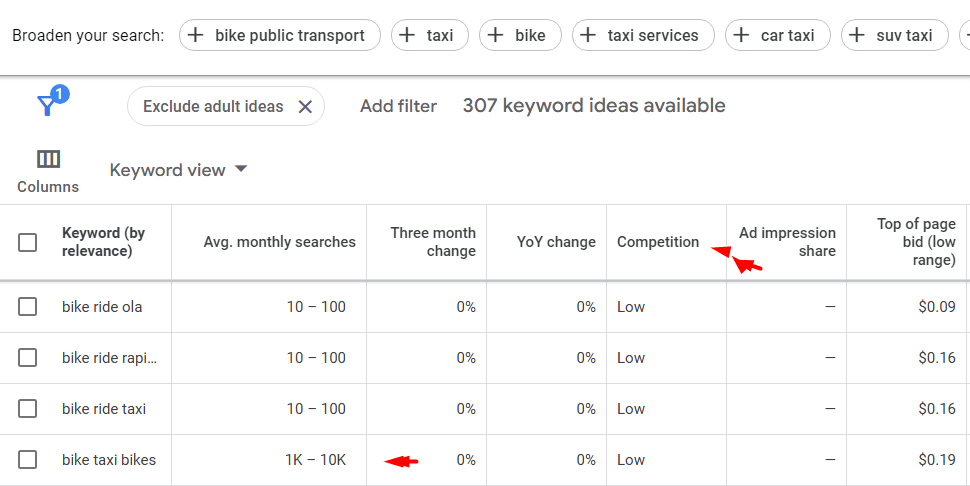
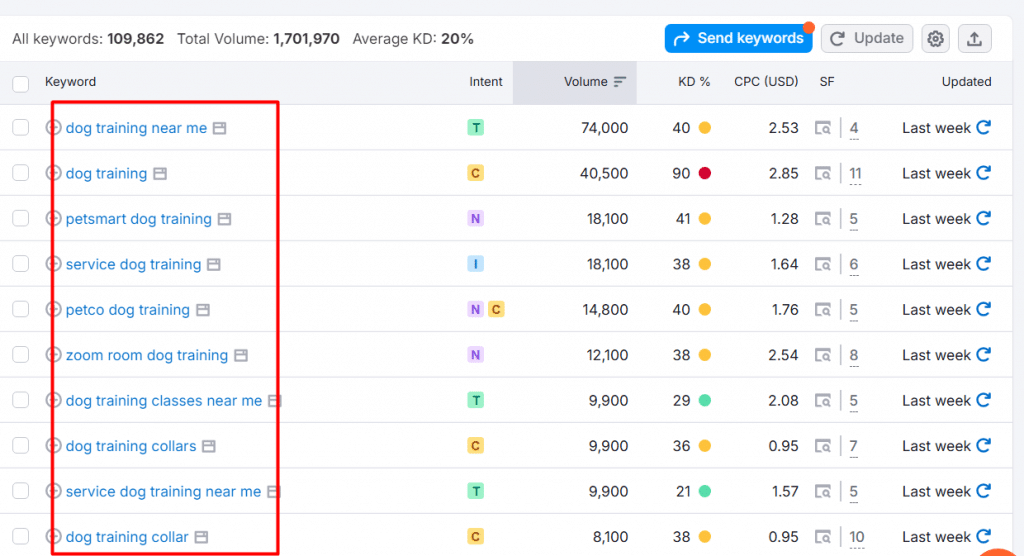
Deploying dedicated on page optimization tools automates keyword density checks, identifies missing semantic terms, analyzes internal linking opportunities, and generates automated technical audit reports to help publishers identify ranking bottlenecks before publishing.
| On Page Optimization Tool | Primary Functionality | Best Use Case | Pricing Tier |
|---|---|---|---|
| Surfer SEO / Clearscope | NLP Content Editor & Entity Scoring | Content creation & semantic keyword gap analysis | $89 – $199/mo |
| Rank Math / Yoast SEO | WordPress On-Page Meta & Schema Builder | Technical metadata, sitemaps & instant schema | Free / $6.99/mo |
| Semrush On-Page SEO Checker | Competitor Benchmarking & Idea Generation | Identifying on-page keyword optimization gaps | $139.95/mo |
| Link Whisper | Automated Contextual Internal Linking | Building silo structures & eliminating orphan pages | $97/year |
| Screaming Frog SEO Spider | Technical Crawler & On-Page Audit Report | Bulk title, H1, meta description, and 404 audits | Free / $259/yr |
Using a dedicated on page optimization tool or running a full onpage optimization report gives you instant clarity on which subtopics competitors are missing.
Pairing these seo onpage optimization tools and seo onpage optimization workflows with specialized extensions from our best WordPress plugins directory creates an efficient publishing workflow.
How to Do On-Page Optimization in SEO: 8 Advanced Techniques
Learning how to do on page optimization in seo requires executing technical adjustments across keyword placement, semantic triples, multimedia alt tags, URL structuring, and Core Web Vitals speed enhancements.
1. Semantic Keyword Placement & Direct Answer Snippets
Place your primary keyword within the first 100 words of the introduction, and immediately follow every H2 and H3 heading with a bold 40 to 55 word definitive answer to satisfy Google’s Passage Indexing algorithm and secure featured snippets.
Avoid unnatural keyword stuffing. Instead, focus on on-page keyword optimization ca standards by weaving natural entity relationships and conversational synonyms throughout your paragraphs.
2. Building High-CTR Title Tags and Meta Descriptions
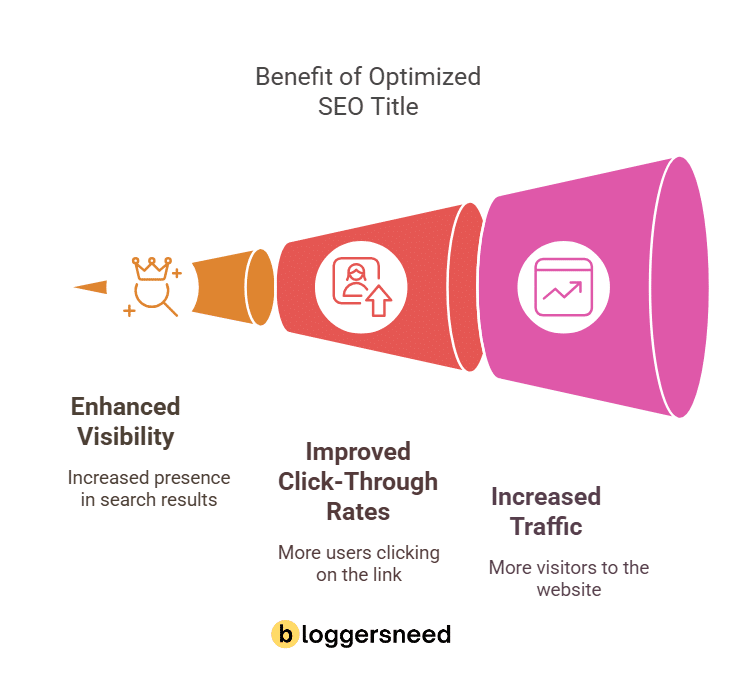
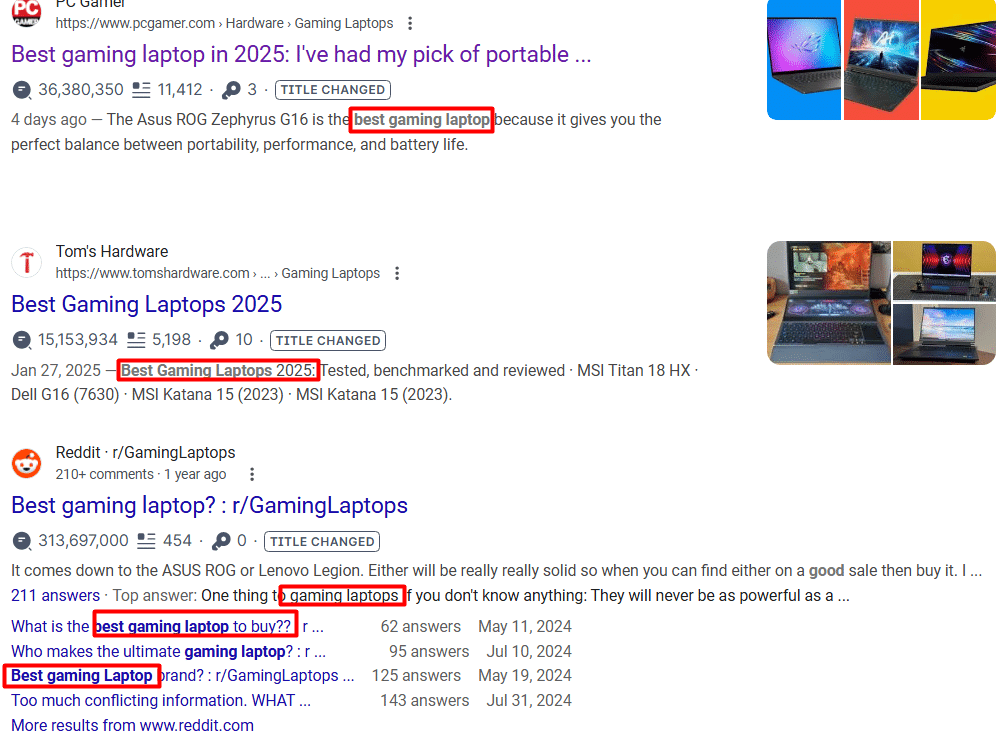
Front-load your target keyword in your page title tag, keep the total length under 60 characters to prevent SERP truncation, and include enticing power words, brackets, or dynamic current year tags 2026 to maximize organic search CTR.
Write meta descriptions between 140 and 155 characters that clearly communicate the value proposition and end with an actionable call-to-action (CTA).
3. Structuring Logical Heading Hierarchies (H1, H2, H3)
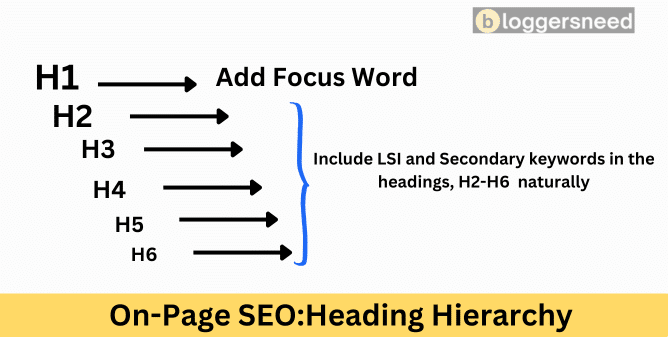
Structure your document with a single descriptive H1 tag containing your primary keyword, followed by organized H2 parent sections and nested H3 subsections that address micro-intent subtopics in logical sequential order.
Proper heading organization allows search engine crawlers to parse topical depth efficiently, making your content eligible for rich search carousels and table-of-contents jump links.
4. Deploying Contextual Internal Links (Reasonable Surfer Model)
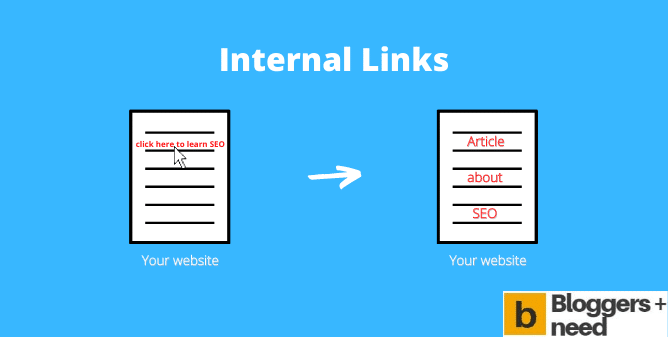
Embed contextual internal links within the top 30% to 50% of your body content using descriptive anchor texts that link out to supporting topical pillar pages and relevant commercial comparison hubs.
Distributing link equity across your domain reinforces your site’s knowledge graph. For example, connecting your on-page strategies to off-page analysis using our best backlink analyzer tools creates a balanced authority profile.
5. Adding Rich Media with Optimized Descriptive Alt Text
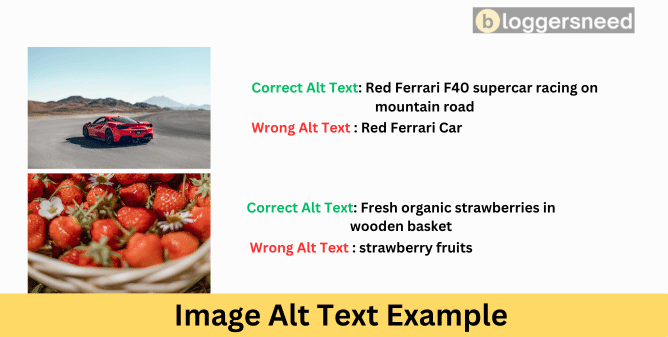
Incorporate custom diagrams, comparison tables, infographics, and annotated screenshots featuring descriptive image alt attributes that describe the visual subject matter while naturally incorporating relevant secondary keywords.
Images and interactive widgets break up dense text blocks, dramatically increasing user dwell time and reducing bounce rates across desktop and mobile devices.
6. Implementing JSON-LD Structured Schema Markup
Implement valid JSON-LD schema markup including Article, FAQPage, HowTo, and BreadcrumbList schemas to help search engines index your structured data and display rich FAQ accordions directly in the search results.
Rich snippets expand your visual footprint in Google search results, capturing higher click-through rates from competing listings.
7. Optimizing URL Permalinks for Clean Indexing
Keep your URL permalinks short, lowercase, hyphenated, and strictly focused on your primary keyword slug without including unnecessary dates, categories, or stop words that dilute topical clarity.
Clean permalinks make it easier for external websites to cite your page as a clean reference, strengthening long-term link acquisition.
8. Accelerating Core Web Vitals & Server TTFB
Improve Core Web Vitals by minifying CSS/JS assets, enabling page caching, delaying non-critical scripts, and hosting your website on high-performance NVMe cloud servers that maintain TTFB under 200 milliseconds.
Pairing technical on-page speed tuning with infrastructure from our fastest WordPress hosting benchmarks ensures your pages pass Google’s INP and LCP performance thresholds.
On-Page SEO Best Practices: Real-World Examples & Local SEO
Studying proven on page seo examples illustrates how modern publishers combine technical precision with high-value editorial content. While historical benchmarks established the best practices for on-page seo in 2024, modern ranking algorithms demand higher semantic rigor and unique information gain.
When executing local seo onpage optimization, webmasters incorporate geographic entity signals (city, region, postal coordinates) and localized NAP schema to dominate Google Map pack rankings.
Whether optimizing a global affiliate hub or a regional service provider, following on page seo best practices and conducting periodic on page seo analysis ensures long-term algorithmic resilience through Google core updates.
Publishers who consistently improve on page seo and refine their seo on page metrics across their portfolio capture compounded traffic gains without relying solely on aggressive backlink acquisition.
Conclusion: Mastering On-Page SEO for Maximum Rankings
Executing thorough on page optimization transforms standard content into an authoritative, high-ranking digital asset in September 2026. Focus on search intent alignment, direct-answer snippet optimization, logical heading hierarchies, and contextual internal linking.
Regularly audit existing articles to update outdated statistics, refresh schema markup, and expand topical depth.
Frequently Asked Questions About On-Page SEO
What is the difference between on-page SEO and off-page SEO?
On-page SEO focuses on optimizing elements directly on your website (such as content, headings, title tags, internal links, and page speed), whereas off-page SEO involves external signals outside your domain (such as backlinks, brand mentions, and social signals).
How long does it take to see results after optimizing on-page SEO?
On-page SEO updates on existing indexed pages often produce ranking improvements within 7 to 21 days after Google re-crawls the modified content, whereas brand-new articles may take 4 to 12 weeks to stabilize in search results.
What is the ideal keyword density for on-page SEO?
There is no exact mathematical keyword density required by Google; modern SEO prioritizes natural language, semantic topical coverage, and co-occurring entity terms over arbitrary keyword frequency percentages (typically 1% to 1.5%).
How do I write an effective on-page SEO title tag?
To write an effective title tag, place your primary keyword at the beginning, include a compelling benefit or modifier (such as the current year or brackets), and keep the total character count between 50 and 60 characters to avoid truncation in Google SERPs.
Affiliate Disclosure: Some of the links in this post are affiliate links, which means I may earn a small commission if you make a purchase through those links. This comes at no extra cost to you. Thank you for your support!
Affiliate Disclosure: Some of the links in this post are affiliate links, which means I may earn a small commission if you make a purchase through those links. This comes at no extra cost to you. Thank you for your support!

I’m Abdullah Prem, a passionate blogger with over 10 years of experience. I created BloggersNeed to produce high-quality, easy-to-understand articles, guides, and tutorials that help people start their blogging journey. Specializing in WordPress, Hosting, Themes, and online money-making strategies, I’ve been featured on leading tech platforms such as Tech.co, Cloudways, Business2Community, Leadpages, GoodFirms, and ShareThis. BloggersNeed.com