

Backlinks remain a fundamental ranking factor in modern search engine optimization. Acquiring high-quality inbound links signals authority to search engines and drives organic search traffic.
However, building links is only the initial phase of the optimization cycle. Search engines must crawl and index backlinks before PageRank equity transfers to your domain.
⚡ Quick Verdict: Fastest Way to Index Backlinks in 2026
The fastest way to index backlinks requires submitting tier-one URLs directly through Google Search Console or utilizing automated Google Indexing API pinging services. Secondary Web 2.0 social signals and high-tier authority placements accelerate Googlebot discovery within twenty-four to forty-eight hours.
Publishers managing aggressive link campaigns cannot wait weeks for passive crawler discovery. Combining direct inspection requests with contextual second-tier signals provides rapid organic indexing.
What Are Backlinks and Why Does Indexation Matter?
Backlinks represent inbound hyperlinks from external web domains pointing toward your site, serving as digital votes of editorial trust. Search engines process these hyperlinks to discover new content, calculate PageRank equity, and index backlinks into the central Google search registry.
When an authoritative website references your content, search engine algorithms interpret that reference as an endorsement. This vote of confidence helps algorithms determine your topical authority.
Webmasters who monitor referring domains using our BloggersNeed backlink analysis tools review recognize that new inbound links remain inert until search engine spiders crawl the linking page.
How Backlinks Pass Link Juice and Boost Rankings
Search engines pass link juice through dofollow hyperlinks, transferring PageRank equity from referring root domains to target landing pages. This transferred equity increases domain authority, strengthens topical relevance clusters, and directly signals search algorithms to position your primary content higher in SERPs.

Link equity flows across web architectures similar to water through connected pipes. High-authority websites hold deeper equity reserves, passing stronger ranking signals to linked pages.
Dofollow attributes instruct search bots to follow links and credit the destination URL. Conversely, nofollow parameters instruct crawlers to discount the link for PageRank accumulation.
What Factors Influence Backlink Indexing Speed?
Backlink indexing speed depends primarily on referring domain authority, crawler budget allocation, publication frequency, and server response times. Pages situated deep within complex site architecture or trapped behind orphaned navigation structures suffer extended crawling delays that halt indexation for weeks.
High-authority news portals and active blogs receive hourly Googlebot visits, indexing new pages in minutes. Smaller blogs with static publishing schedules often wait weeks between crawl sessions.
Internal link architecture also dictates crawler discovery speed. Linking pages positioned three or four clicks away from the homepage receive lower crawl priority from automated search spiders.
Why Faster Indexing Can Lead to Improved Rankings?
Accelerated backlink indexing allows search engines to register new topical trust signals immediately, shortening the delay between link acquisition and keyword movement. Rapid indexation prevents competitor displacement, accelerates PageRank accumulation, and validates link outreach campaign effectiveness during competitive algorithmic search updates.
SEO is fundamentally a game of momentum and velocity. Rapid indexation ensures that freshly secured links begin compounding algorithmic trust before target SERPs shift.
Additionally, early link discovery signals freshness to Google’s ranking algorithms. Timely indexing allows newly optimized pages to capture competitive search volume during peak interest windows.
What Happens If Backlinks Fail to Index?
Unindexed backlinks generate zero SEO value because search engine algorithms ignore web pages not stored within their searchable database. Unindexed links fail to transfer PageRank equity, waste financial link building investments, and leave targeted keywords stagnant despite active outreach work.
To get backlinks indexed and avoid wasted capital, digital publishers must identify unindexed placements early and deploy proven re-crawl workflows.
Leaving backlinks unindexed also distorts campaign analytics. SEO teams often assume link building strategies failed when the links simply never entered Google’s searchable database.
10 Proven Strategies for Faster Backlink Indexing
Implementing a multi-tiered indexing strategy combines manual webmaster inspection, automated ping protocols, social syndication, and contextual second-tier backlinks. This structured workflow forces search engine crawlers to discover, parse, render, and index newly published referring URLs within predictable time windows without delay.
Modern search engines demand consistent crawl signals from varied sources. Deploying these ten proven tactics accelerates link discovery without risking algorithmic footprint penalties.
1. Submit URLs via Google Search Console
Submitting referring URLs through the Google Search Console URL Inspection tool directly requests Googlebot crawling priority for specific pages. When guest post authors or host webmasters request indexing immediately after publication, Google often fetches and indexes the link page within hours.
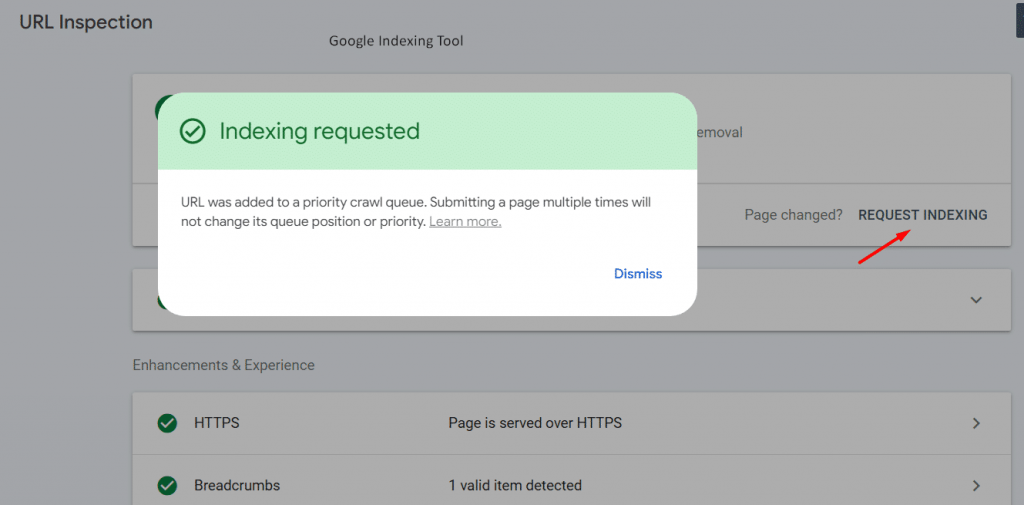
For webmasters researching how to index backlinks fast, the URL inspection tool remains the most direct communication channel with Google’s rendering engine.
Ask site owners to paste the article URL into Search Console and click Request Indexing. This prompts Googlebot to add the page to its immediate fetch queue.
2. Promote the Article Link on Social Media
Sharing published articles across major social networks like Twitter, LinkedIn, and Facebook generates immediate social referral clicks and discovery signals. Search engine bots continuously crawl high-activity social feeds, allowing web crawlers to intercept new links rapidly through external click activity.

Social networks provide public URLs that search engines crawl multiple times per second. Posting your published guest post on Twitter or Pinterest exposes the link to web crawlers.
Real user clicks and engagements generate browser traffic signals. These user visits prompt Googlebot to inspect and cache the referring article quickly.
3. Use Pinging Services to Notify Search Engines
Pinging services send automated XML-RPC notifications to search engine aggregators, alerting crawlers that an updated page contains new outbound links. Utilizing trusted ping aggregators prompts search engine bots to schedule a re-crawl of the referring URL without manual webmaster intervention.

Webmasters use popular pinging services like Ping-O-Matic, PingFarm, and Pingoat to notify dozens of search engine aggregators simultaneously.
Batch pinging signals to search spiders that content updates occurred on the host page. Spiders dispatch crawler requests to verify the modified page elements.
4. Using Backlink Software
Automated backlink software builds secondary tier-two links pointing directly toward your tier-one referring pages, multiplying crawl pathways for search engine spiders. Tools like RankerX and Money Robot distribute anchor signals across diverse platforms to funnel crawler attention to priority articles.
Using automated backlink software tools allows outreach teams to construct supporting link tiers around guest posts and niche edits safely.
Second-tier backlinks pass secondary PageRank and create external pathway density. Search crawlers traversing tier-two links encounter and index your tier-one backlinks naturally.
5. Build Web 2.0 Properties to Create Context
Establishing contextual Web 2.0 properties on established blogging platforms provides trusted second-tier links that funnel search crawler attention to your primary backlink pages. Platforms like Medium, LinkedIn Pulse, and Tumblr create thematic relevance clusters that validate new links for faster indexation.
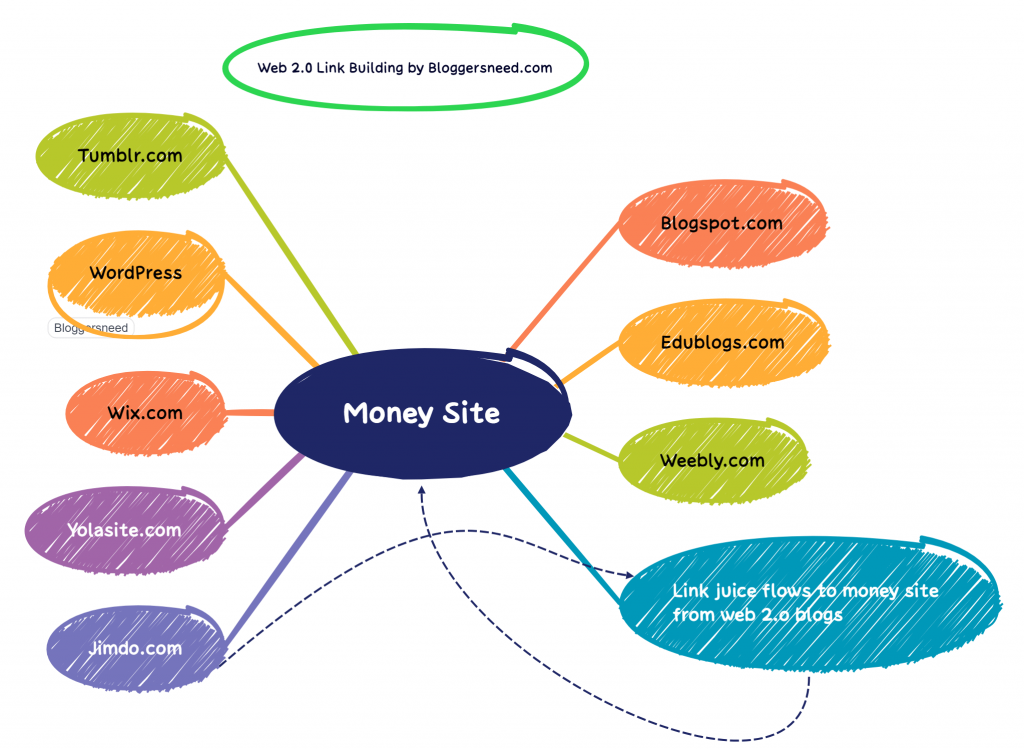
High-authority Web 2.0 platforms enjoy substantial crawl frequency and instant domain trust. Publishing short supporting summaries pointing to your backlinks triggers fast crawling.
Contextual Web 2.0 links establish topical co-occurrence around the target link. Search bots recognize the semantic alignment and process the referring page quickly.
6. Using Rapid Indexing Tools
Dedicated cloud indexing services submit URLs in bulk through enterprise Google Indexing APIs and distributed mobile crawler proxies to force rapid indexation. Platforms like IndexMeNow and Rapid URL Indexer achieve high success rates for stubborn tier-two and guest post URLs within days.
Professional SEO practitioners utilize rapid link indexing tools when managing high-volume link campaigns across diverse hosting networks.
These specialized tools ping mobile Googlebot endpoints and monitor indexation status continuously, submitting unindexed URLs repeatedly until search engines verify indexation.
7. Use RSS Feeds
Aggregating backlink URLs into dynamic RSS feeds notifies feed directories and search engine aggregators each time new content syndicates. Search engine spiders continuously poll active RSS feed endpoints, creating an automated discovery mechanism that expedites crawling without requiring recurring manual submissions.
Webmasters can create custom RSS feeds containing URLs of newly published guest posts. Submitting these feeds to RSS aggregators ensures continuous bot exposure.
Feed syndication distributes URL links across multiple directory endpoints. Each directory syndication provides an entry portal for search bots to discover your backlinks.
8. Use Private Blog Networks Strategically
Private blog networks offer controlled link environments with established domain age and historical crawler trust to pass immediate indexation signals. Strategically placing contextual links on well-maintained private domains directs active Googlebot crawls toward your primary target pages without leaving digital footprints.
Acquiring links from safest pbn sellers to buy links ensures that linking domains maintain clean WHOIS history and isolated hosting C-class blocks.
PBN links provide immediate crawler access due to established domain authority. Placing links within fresh homepage posts prompts Googlebot to crawl and index your pages.
9. Obtain Backlinks from Authoritative Websites
Acquiring backlinks from authoritative, high-traffic publications guarantees prompt indexation because search engine spiders crawl high-PageRank domains multiple times daily. Trusted editorial websites feature substantial crawl budgets, ensuring any newly published article containing your inbound link is indexed almost instantly by Google.
Outreach teams identify authoritative publications by auditing organic traffic and domain metrics, locating verified editor contacts using specialized email finding tool platforms.
For hands-off link acquisition, Authority Builders provides premium editorial placements on genuine websites with verified organic search traffic.
Their team audits every publisher for real organic impressions and zero algorithmic penalties, ensuring your acquired links index naturally within forty-eight hours.
10. Optimize Anchor Text for Relevance and Backlink Indexing Speed
Optimizing anchor text distribution balances branded identifiers, natural partial-match terms, and topical semantic co-occurrences without triggering over-optimization filters. Natural anchor variety helps search algorithms recognize semantic context quickly, encouraging faster page rendering and confident link classification inside Google searchable database.
Over-optimizing with repetitive exact-match anchors can trigger algorithmic review filters. When algorithms detect unnatural anchor patterns, crawling and indexation frequently stall.
Maintain natural anchor distribution across your backlink profile: fifty percent branded anchors, twenty-five percent naked URLs, and twenty-five percent contextual topic phrases.
How Search Engines Discover Links?
Search engines discover new hyperlinks by dispatching automated crawlers that follow existing web connections across sitemaps, RSS feeds, and external web documents. Spiders parse HTML document trees, extract outbound href attributes, and queue newly found URLs for subsequent rendering and indexation.
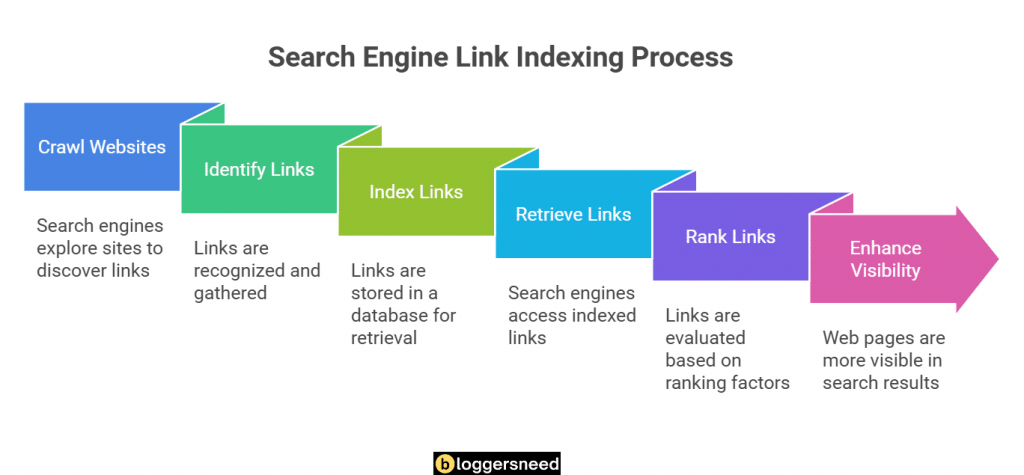
Googlebot processes URLs through a three-stage pipeline consisting of crawling, rendering, and indexing. Crawlers first fetch raw HTML responses from the web server.
Next, headless Chromium renderers execute client-side JavaScript to display dynamic page elements. Finally, search algorithms parse the rendered DOM and store confirmed links.
What Are Common Mistakes to Avoid When Creating Backlinks?
Common backlink mistakes include purchasing low-quality forum spam blasts, neglecting referring page indexability, using repetitive exact-match anchor text, and ignoring noindex meta robots tags. These errors waste crawl budget, trigger automated algorithmic spam penalties, and prevent links from contributing PageRank authority.
Always inspect the robots meta directives of referring websites before acquiring links. Pages tagged with noindex or blocked by robots.txt files will never enter Google’s database.
Avoid relying exclusively on a single link-building tactic. Diversifying between guest posts, digital PR, resource links, and Web 2.0 properties creates resilient organic rankings.
Frequently Asked Questions About Indexing Backlinks
Reviewing frequently asked questions clarifies essential operational protocols regarding search engine crawler behavior, indexation timeframes, and technical verification methodologies. Understanding these core principles enables digital publishers to diagnose indexing bottlenecks and maintain consistent organic keyword visibility across search engine results.
How Long Does It Take for Backlinks to Be Indexed?
Backlinks typically take between two days and four weeks to index naturally, depending on referring website authority and crawl frequency. High-traffic news publications often index within hours, while brand-new blogs with limited crawl budgets may take over a full month.
Tier-two links and manual pinging methods shorten this timeframe significantly. Active URL submissions prompt search spiders to prioritize pending crawl queues.
Can I Manually Submit Backlinks for Indexing?
Webmasters cannot submit third-party URLs directly through Google Search Console unless they verify domain ownership of the referring website. However, pinging services, social syndication, and tier-two contextual links allow you to prompt Googlebot to discover external pages indirectly through active web signals.
You can also request host website owners to submit the published article directly through their verified Search Console account for immediate indexing.
What Is the Impact of Unindexed Backlinks?
Unindexed backlinks produce zero organic ranking benefits because Google completely excludes unindexed web documents from PageRank equity calculations. Without search engine indexation, your inbound links cannot transfer topical authority or contribute to measurable keyword ranking improvements in search engine results.
Unindexed links remain completely invisible to ranking algorithms. Resolving indexation gaps is mandatory to maximize return on link building investments.
What Are Dofollow and Nofollow Backlinks?
Dofollow backlinks allow search engines to follow outbound hyperlinks and pass PageRank equity directly to destination target URLs. In contrast, nofollow links contain rel=”nofollow” attributes that advise search engine spiders against using the hyperlink for direct organic search ranking calculations.
While nofollow links do not pass direct PageRank, they provide valuable referral traffic and natural anchor profile diversification for growing websites.
How Can I Check If My Backlinks Are Indexed?
Webmasters check indexation status by executing Google site search operators such as site:linkingurl.com/page or pasting the full URL in quotation marks. If Google displays the page in search results, the backlink page is confirmed indexed within Google’s active searchable database.
SEO professionals also utilize bulk URL index checkers to monitor indexation health across hundreds of campaign backlinks simultaneously.

I’m Abdullah Prem, a passionate blogger with over 10 years of experience. I created BloggersNeed to produce high-quality, easy-to-understand articles, guides, and tutorials that help people start their blogging journey. Specializing in WordPress, Hosting, Themes, and online money-making strategies, I’ve been featured on leading tech platforms such as Tech.co, Cloudways, Business2Community, Leadpages, GoodFirms, and ShareThis. BloggersNeed.com