

Exporting a plugin from WordPress is an administrative file management process that packages installed plugin code, custom modifications, or premium extensions into downloadable ZIP archives for backup, offline storage, or migration to another WordPress site. While WordPress provides native tools to export XML post content, exporting physical plugin directories requires utilizing the WordPress.org plugin directory, cPanel File Manager, dedicated export plugins, or FTP/SFTP clients. Backing up and exporting plugins ensures custom functionality and commercial license files are preserved during site migrations.
Maintaining full control over your WordPress plugins and theme files requires hosting your site on high-performance infrastructure with built-in staging tools. When managing complex plugin deployments, selecting an enterprise-grade host is essential; exploring our guide on best WordPress hosting details hosting environments offering 1-click site cloning and automated plugin backups.

Method 1: Download Original Plugin ZIP from WordPress.org
Downloading the original plugin ZIP from the official WordPress.org repository is the fastest method to obtain a clean, unmodified installation archive for any free WordPress extension.
The step-by-step procedure for downloading repository plugins is detailed below.
- Step 1: Visit the official WordPress.org Plugin Directory in your web browser.
- Step 2: Enter the exact plugin name (such as MetaSlider, Contact Form 7, or Yoast SEO) into the search bar.
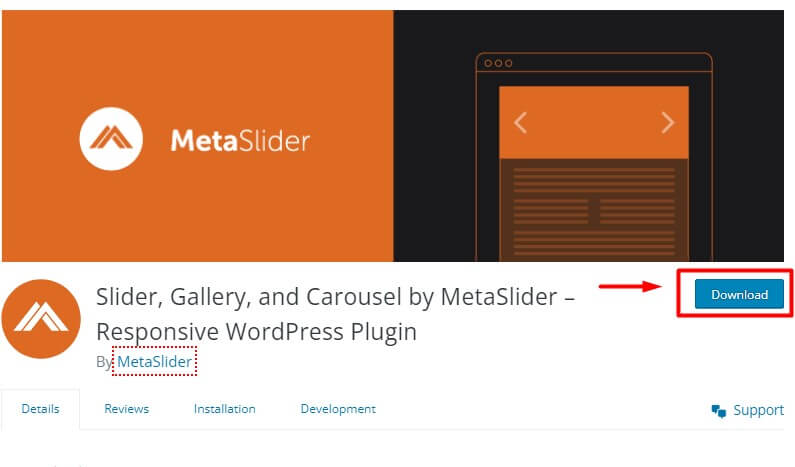
- Step 3: Click on the target plugin listing to open the detailed plugin description page.
- Step 4: Click the blue Download button on the right sidebar to save the complete
.zipfile to your computer.

Accessing the official repository ensures you obtain verified, malware-free source code compatible with the latest WordPress core releases.
Method 2: Export Custom Plugins via cPanel File Manager
Exporting custom or modified plugins via cPanel File Manager allows webmasters to compress live plugin directories directly on the server into downloadable ZIP archives containing all active custom code edits.
The structured server-level export procedure is outlined below.
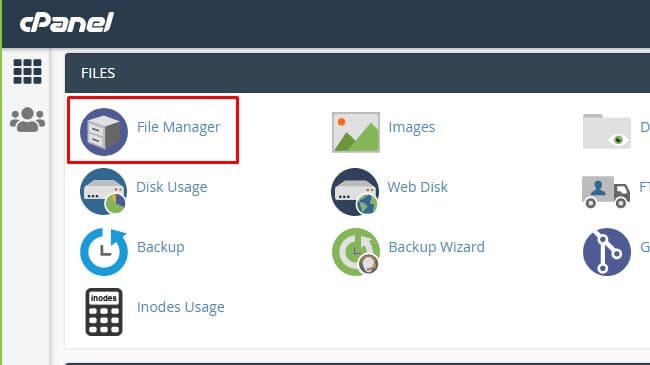
- Step 1: Log into your web hosting control panel dashboard and click on File Manager.
- Step 2: Navigate to your website document root at
public_html/wp-content/plugins/. - Step 3: Locate the specific plugin folder you wish to export.
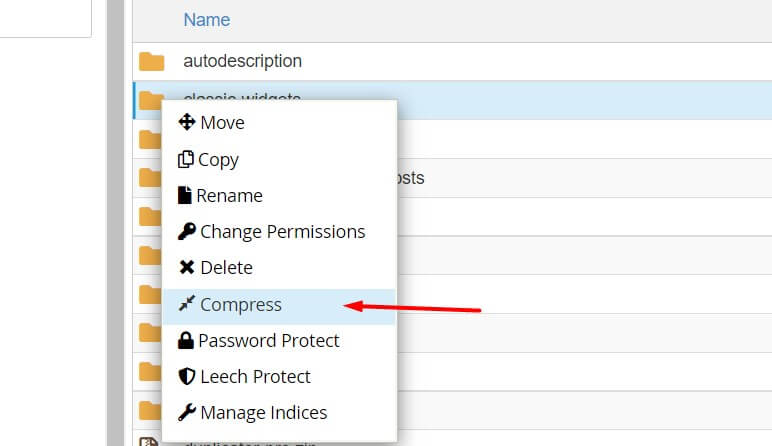
- Step 4: Right-click the plugin directory and select Compress from the context menu.
- Step 5: Select Zip Archive as the compression format and confirm the output destination.
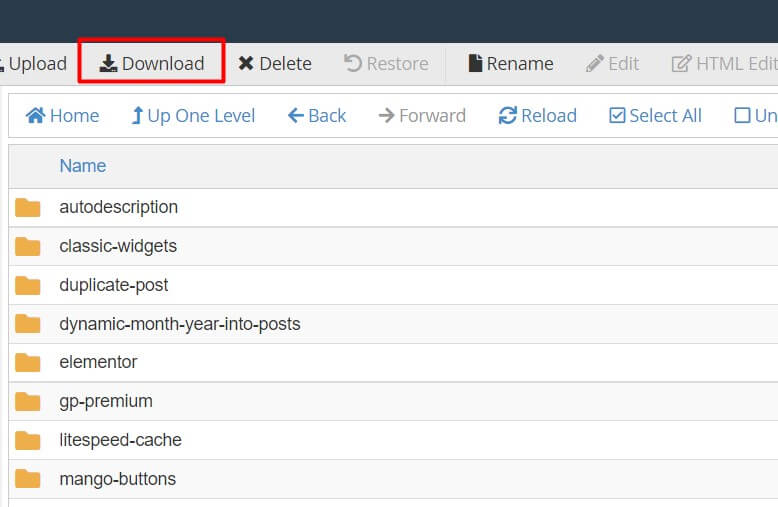
- Step 6: Right-click the newly generated
.zipfile and click Download to save the archive to your local hard drive.
Compressing plugin directories on the server guarantees that all custom PHP scripts, CSS stylesheets, and template modifications are preserved 100%.
Downloading the compressed ZIP file provides an immediate portable installer ready to upload to any other WordPress website.
Method 3: Export Plugin Configurations via Settings Export Plugins
Exporting plugin configurations via dedicated settings export plugins allows you to migrate complex plugin options, widget layouts, and customizer styling between websites without manual reconfiguration.
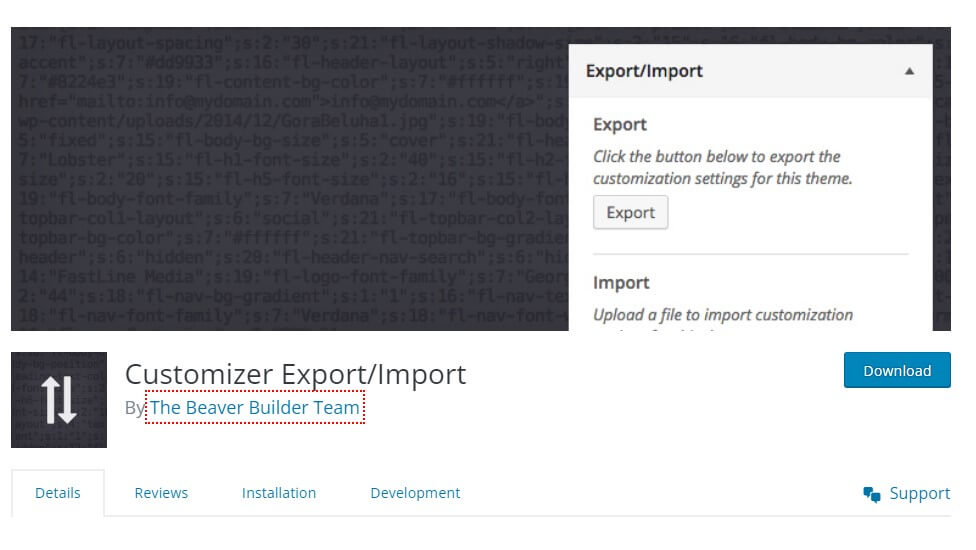
Using tools like Customizer Export/Import or WP All Export transfers granular plugin settings in standard JSON or DAT formats.
Comparison of WordPress Plugin Export Methods
Comparing plugin export methods helps administrators choose the most suitable technique based on whether they need raw source code or saved plugin configuration settings.
| Export Method | Preserves Custom Code Edits? | Includes Plugin Settings? | Technical Difficulty |
|---|---|---|---|
| WordPress.org Download | No (Stock version only) | No | Beginner (1-click) |
| cPanel File Manager ZIP | Yes (100% Exact Copy) | Files only (Not database) | Intermediate (Server UI) |
| Settings Export Plugin | No (Settings only) | Yes (Database Options) | Beginner (Dashboard) |
Recommended Speed & Security Plugins for WordPress
Pairing essential plugins with high-speed caching and security protection guarantees optimal website stability and search visibility.
| Recommended Tool | Category | Primary Function | Direct Action |
|---|---|---|---|
| WP Rocket | Caching & Performance | Core Web Vitals caching & minification | |
| MalCare | Security & Firewall | Cloud malware scanner & auto-cleanup | |
| Schema Theme | SEO WordPress Theme | Lightweight rich snippet markup framework | |
| A2 Hosting | High-Speed Web Hosting | LiteSpeed Turbo servers with 20X faster speed |
Frequently Asked Questions About Exporting WordPress Plugins
Does exporting a plugin from cPanel include its database configuration?
No, compressing the plugin folder only exports PHP and asset files; plugin database settings stored in wp_options must be exported separately via phpMyAdmin or a backup plugin.
Can I export premium or paid WordPress plugins using File Manager?
Yes, compressing the plugin folder in wp-content/plugins/ exports the full premium plugin codebase, which can then be uploaded to another staging or production site.
What is the easiest way to reinstall an exported plugin ZIP?
To reinstall an exported plugin, navigate to Plugins > Add New > Upload Plugin inside your target WordPress dashboard, select the ZIP file, and click “Install Now”.
Will exporting a plugin cause any downtime on my active website?
No, compressing and downloading plugin files creates a static archive copy without interrupting server execution or live website availability.
Affiliate Disclosure: Some of the links in this post are affiliate links, which means I may earn a small commission if you make a purchase through those links. This comes at no extra cost to you. Thank you for your support!

I’m Abdullah Prem, a passionate blogger with over 10 years of experience. I created BloggersNeed to produce high-quality, easy-to-understand articles, guides, and tutorials that help people start their blogging journey. Specializing in WordPress, Hosting, Themes, and online money-making strategies, I’ve been featured on leading tech platforms such as Tech.co, Cloudways, Business2Community, Leadpages, GoodFirms, and ShareThis. BloggersNeed.com