
How to Install a Plugin on WordPress: 3 Easy Methods for 2026
Installing a WordPress plugin requires searching the admin directory, uploading a premium ZIP file, or transferring plugin directories via cPanel FTP for November 2026. Follow our step-by-step visual guide to expand your blog functionality safely.

Featured visual tutorial highlights step-by-step WordPress plugin installation methods for beginner website owners in November 2026.
WordPress plugins are modular software packages written in PHP that seamlessly integrate into your WordPress core directory to add new features, security defenses, and design layouts.
With over 60,000 free plugins available on WordPress.org, plugins allow webmasters to customize sites without writing custom code.
Selecting the proper installation method depends on whether you are installing a free repository plugin, a third-party premium plugin zip file, or performing manual server file uploads.
Review our step-by-step walkthrough for November 2026.
Following verified plugin installation procedures prevents site crashes, database corruption, and plugin compatibility conflicts.
Understanding plugin installation fundamentals allows site owners to add custom contact forms, analytics trackers, and security firewalls safely.
Managing installed site plugins properly protects site speed while keeping administrative overhead low.
Overview: 3 Ways to Install a Plugin on WordPress
Comparing WordPress plugin installation methods ensures website owners choose suitable setup paths based on plugin source and access permissions. Review the summary matrix below to select your installation method.
Evaluating installation paths prevents technical file upload errors during site customization workflows.
Selecting the appropriate installation method saves valuable administrative time during routine website updates.
| Installation Method | Plugin Source Type | Technical Difficulty |
|---|---|---|
| Method 1: Admin Directory Search | Free WordPress.org Plugins | Beginner (1-Click) |
| Method 2: ZIP File Upload | Premium Third-Party Plugins | Beginner (File Upload) |
| Method 3: cPanel / FTP Transfer | Large Files / Server Recovery | Intermediate (FTP Client) |
Detailed Breakdown: 3 Step-by-Step Plugin Installation Methods
Following our visual step-by-step walkthroughs guarantees smooth plugin deployment across all hosting environments. Explore each installation method below to configure your site plugins safely.
Verifying server compatibility prior to activating new plugins prevents unexpected site crashes.
Testing new plugins in staging environments protects live website traffic from sudden layout disruptions.
Method 1: Installing Free Plugins via Official WordPress.org Repository
Installing free plugins through the WordPress admin directory is the easiest 1-click installation method for beginner bloggers. Log into your WordPress dashboard and navigate to Plugins > Add New to open the search directory.
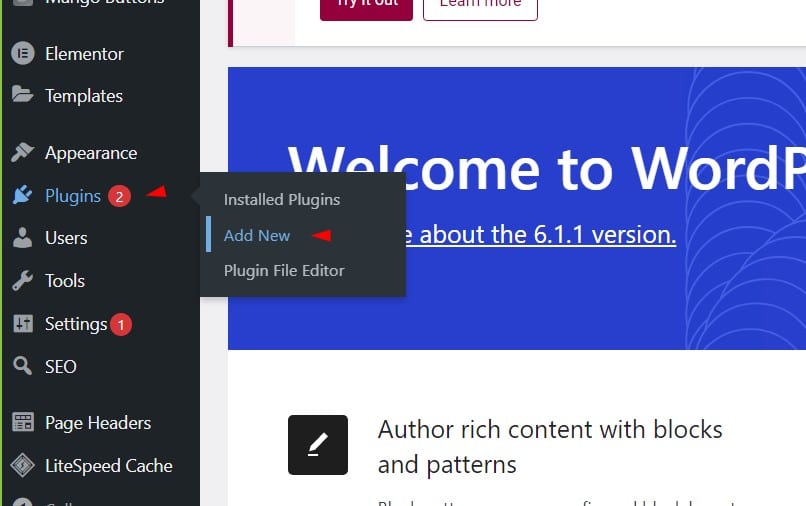
WordPress administrative navigation menu highlights the Plugins Add New menu selection.

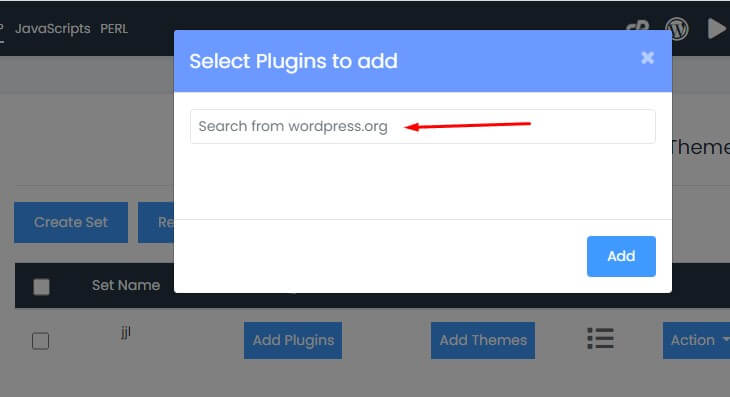
Plugin directory search bar allows searching by plugin name, target function, or author developer.

Plugin directory search results display active installation counts, star ratings, and Install Now buttons.
Click Install Now on your chosen plugin card to initiate automatic script downloading to your server.

Plugin card button changes to blue Activate button upon successful file installation.
Click the blue Activate button to turn on plugin functionality and launch setup configuration wizards.
Installing plugins directly from the official directory guarantees software files undergo rigorous WordPress security screening.
Auditing plugin review ratings and last update dates ensures software packages remain actively maintained by developers.
Verifying plugin compatibility with your active WordPress core version prevents PHP execution errors.
Before installing any new plugin, verify that the software was updated within the last six months to avoid running abandoned code.
Checking active installation counts and user star ratings helps filter reliable plugins from untested community uploads.
Method 2: Installing Premium Plugins via ZIP File Upload
Installing premium third-party plugins requires downloading a ZIP file from your vendor portal and uploading it via wp-admin. Navigate to Plugins > Add New and click the Upload Plugin button at top of page.

Add New Plugin top dashboard header highlights the Upload Plugin button option.

Plugin ZIP upload prompt displays file selection fields for uploading third-party plugin archives.

Choose File button opens your computer file explorer to select your downloaded plugin zip file.

Installation status screen confirms ZIP archive extraction and displays blue Activate Plugin button.
Click Activate Plugin to finalize license activation and configure software preferences.
Always verify ZIP files originate from official developer portals to prevent uploading nulled or malware-infected scripts.
Keeping original ZIP archives saved locally ensures easy reinstallation if server recovery becomes necessary.
Checking maximum upload size limits in PHP settings prevents file size upload errors during installation.
If you encounter a ‘The package could not be installed’ error, ensure you extracted the inner plugin zip from master marketplace bundles.
Increasing your upload_max_filesize directive in php.ini prevents server timeouts when uploading large multipurpose plugin archives.
Method 3: Installing Plugins Manually via cPanel or FTP File Manager
Manual cPanel FTP installation transfers unzipped plugin folders directly into your server’s /wp-content/plugins/ directory. Manual FTP uploads bypass max upload file size limits imposed by shared web hosting servers.
cPanel File Manager directory displays /wp-content/plugins/ folder structure for manual uploads.
Unzip your downloaded plugin ZIP archive on your local computer before transferring the folder to server directories.
Upload the extracted plugin folder directly into your website’s /wp-content/plugins/ directory.
Once file transfer completes, navigate to Plugins > Installed Plugins inside wp-admin to click Activate.
Manual FTP uploads serve as an essential troubleshooting method when recovering from dashboard lockouts.
Setting proper directory file permissions (755 for folders and 644 for files) maintains server security integrity.
Using SFTP file transfer protocols encrypts server connection credentials during manual uploads.
For emergency troubleshooting when a plugin causes site crashes, consult our walkthrough on how to deactivate plugins from cPanel.
Webmasters needing to revert problematic software versions can explore our tutorial on downgrading WordPress plugin versions safely.
Essential WordPress Plugins Every Site Owner Should Install
Equipping your new WordPress blog with essential SEO, caching, affiliate, and security plugins protects site data and improves search rankings. Review our top recommended plugins categorized for optimal site performance.
| Plugin Category | Recommended Tool | Primary Function | Performance Impact |
|---|---|---|---|
| Search Optimization | Rank Math SEO | Automates XML sitemaps, on-page analysis, and Schema JSON-LD | Lightweight, modular architecture |
| Speed & Caching | WP Rocket | Page caching, CSS minification, and lazy load media | Significantly improves Core Web Vitals |
| Link Management | ThirstyAffiliates | Cloaks destination URLs and manages outbound links | Negligible database overhead |
| Security & Firewall | MalCare Security | Cloud-based malware scanner and endpoint web firewall | Zero server load during scanning |
Installing lightweight, well-coded plugins prevents site slowdowns and database query congestion.
Auditing installed plugin performance regularly ensures background scripts do not cause server CPU spikes.
Configuring automatic plugin update settings keeps security patches current across core site modules.
- SEO Plugin: Install Rank Math SEO to automate XML sitemaps, meta titles, and Schema.org structured data.
- Performance Caching: Deploy WP Rocket to enable page caching, Gzip compression, and lazy loading.
- Affiliate Link Management: Use ThirstyAffiliates to cloak affiliate URLs and track outbound click performance.
- Security & Malware Defense: Activate MalCare Security for automated malware scanning and firewall protection.
WordPress Management Guides & Essential Tutorials
Exploring additional WordPress administrative tutorials helps site owners master widget creation, menu alignment, and image optimization. Review helpful companion guides to enhance your blogging workflow.
Mastering core WordPress widgets and formatting options creates engaging reading experiences for website visitors.
Utilizing native block editor tools allows site managers to structure content without complex page builder plugins.

Guide visual demonstrates embedding responsive Google Maps location widgets on WordPress contact pages.

Tutorial graphic showcases creating custom sidebar photo widgets for personal author bio boxes.

CSS walkthrough graphic illustrates centering header navigation menus across desktop theme layouts.

Widget tutorial preview explains adding live weather forecasting widgets to local community blogs.

Block editor guide demonstrates styling pull quote blocks to highlight testimonial quotes.

Image optimization tutorial graphic outlines scaling up low-resolution photos using mobile editing apps.
Frequently Asked Questions About Installing WordPress Plugins
Review practical answers to common questions regarding plugin limits, emergency recovery steps, and staging compatibility. Having proper maintenance procedures prevents unexpected downtime when modifying site functionality.
How many WordPress plugins should I install on my blog?
Most WordPress blogs run efficiently with twenty to thirty well-coded plugins without suffering server performance degradation. Quality matters far more than quantity, as a single poorly coded plugin can cause more database congestion than thirty lightweight utilities.
Audit your active plugin list quarterly and remove abandoned or redundant plugins to keep your database lean.
What should I do if a new plugin breaks my WordPress site?
If a plugin causes a critical error or white screen, log into your hosting cPanel File Manager and rename the offending plugin folder. Renaming the folder inside /wp-content/plugins/ instantly deactivates the plugin, restoring access to your administrative dashboard.
Once access is restored, review server error logs to identify the exact PHP conflict before attempting reinstallation.
Can I install WordPress plugins on WordPress.com free plans?
No, WordPress.com requires a Creator plan or higher to install custom third-party plugins and themes. Self-hosted WordPress.org installations allow users to install unlimited free and premium plugins without artificial platform restrictions.
Migrating to a self-hosted web host provides complete administrative control over your website architecture.
What is the difference between active and inactive WordPress plugins?
Active plugins execute PHP code and run database queries on every page load, whereas inactive plugins remain dormant on your server. While inactive plugins do not slow down site rendering, they still present potential security vulnerabilities if left unpatched.
Delete completely any plugins you no longer intend to use rather than leaving them deactivated indefinitely.
How do I safely update WordPress plugins without breaking my theme?
Always generate a complete database backup and test plugin updates in a staging environment before deploying to production. Updating plugins one by one rather than using bulk update controls allows you to isolate conflicts immediately if errors arise.
Review developer changelogs to identify major version updates that introduce breaking architectural changes.

I’m Abdullah Prem, a passionate blogger with over 10 years of experience. I created BloggersNeed to produce high-quality, easy-to-understand articles, guides, and tutorials that help people start their blogging journey. Specializing in WordPress, Hosting, Themes, and online money-making strategies, I’ve been featured on leading tech platforms such as Tech.co, Cloudways, Business2Community, Leadpages, GoodFirms, and ShareThis. BloggersNeed.com