
How to Downgrade WordPress Plugin Version in 2026: 3 Easy Methods
Downgrading a WordPress plugin version requires downloading an archived ZIP file from WordPress.org, using the WP Rollback plugin, or transferring files via cPanel FTP in October 2026. Follow our step-by-step technical guide to roll back broken plugin updates safely.
Featured visual tutorial demonstrates rolling back a updated WordPress plugin to a stable previous version in October 2026.
Downgrading a WordPress plugin is the process of reverting an updated plugin to a previous stable release version.
While updating plugins is generally recommended for security and feature enhancements, occasional update releases introduce software bugs, PHP version incompatibilities, or visual layout disruptions.
Experiencing plugin conflicts following a major update can cause white screens of death, broken contact forms, or site-wide layout glitches.
Rolling back the offending plugin to its prior working version restores website stability while developers patch bugs.
Evaluating plugin downgrade options requires analyzing manual ZIP downloads from WordPress.org, automated 1-click rollback plugins, and cPanel FTP file overwrites.
Review our 3 step-by-step plugin rollback methods for October 2026 below.
Following structured plugin downgrade workflows protects your site database and visitor user experience during technical troubleshooting.
Overview: Why Roll Back a WordPress Plugin to its Previous Version?
Rolling back a WordPress plugin is necessary when a recent update causes theme conflicts, PHP errors, or broken site features. Review the summary matrix below to understand primary reasons webmasters revert plugin versions.
| Plugin Update Issue | Technical Impact | Recommended Downgrade Action |
|---|---|---|
| PHP Incompatibility | Triggers fatal PHP execution errors | Roll back to prior compatible version |
| Theme & Plugin Conflicts | Breaks visual styling or scripts | Revert plugin update immediately |
| Feature Deprecation | Removes critical administrative tools | Use WP Rollback plugin for 1-click revert |
Detailed Breakdown: 3 Ways to Downgrade WordPress Plugins
Applying structured downgrade procedures ensures your website recovers from plugin conflicts without data loss. Explore each step-by-step method below to restore stable plugin functionality.
Creating a complete database backup prior to reverting plugin versions provides full server recovery protection.
Testing plugin version rollbacks on a staging server first protects live visitor traffic from unexpected downtime.
Method 1: Manual Downgrade via WordPress.org Advanced View
Manual downgrading requires searching for the plugin on WordPress.org, downloading an archived version ZIP file, and uploading it to wp-admin. Navigate to WordPress.org, search for your target plugin, and click Advanced View on the plugin page.
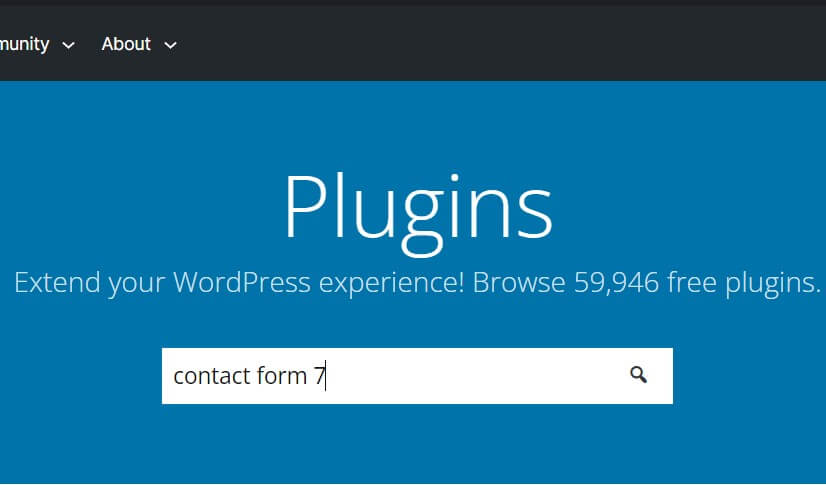
WordPress.org plugin directory search allows searching for specific plugin developer repositories.
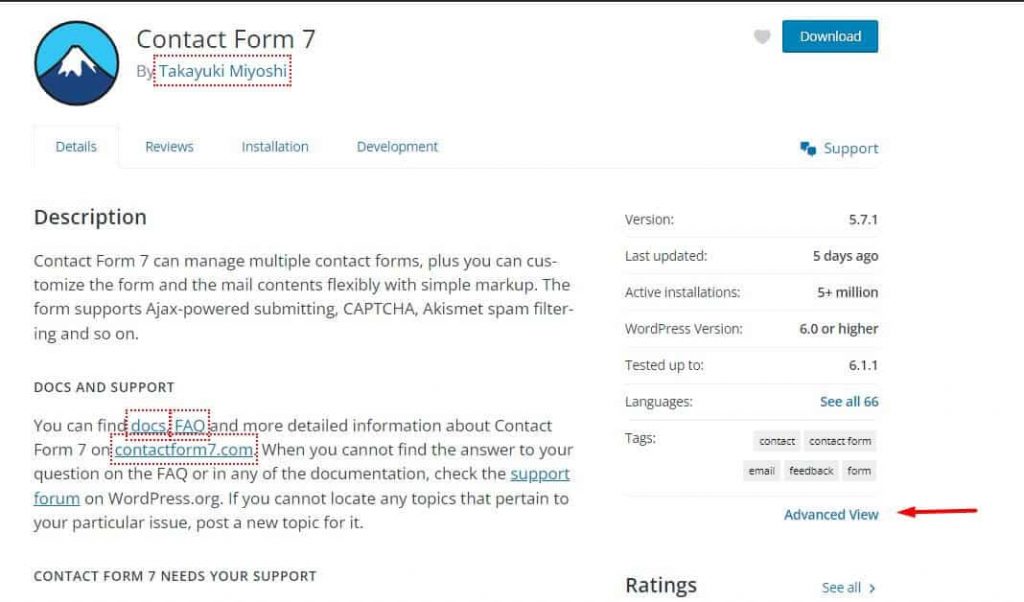
Plugin overview page displays documentation links, active installation metrics, and Advanced View settings.
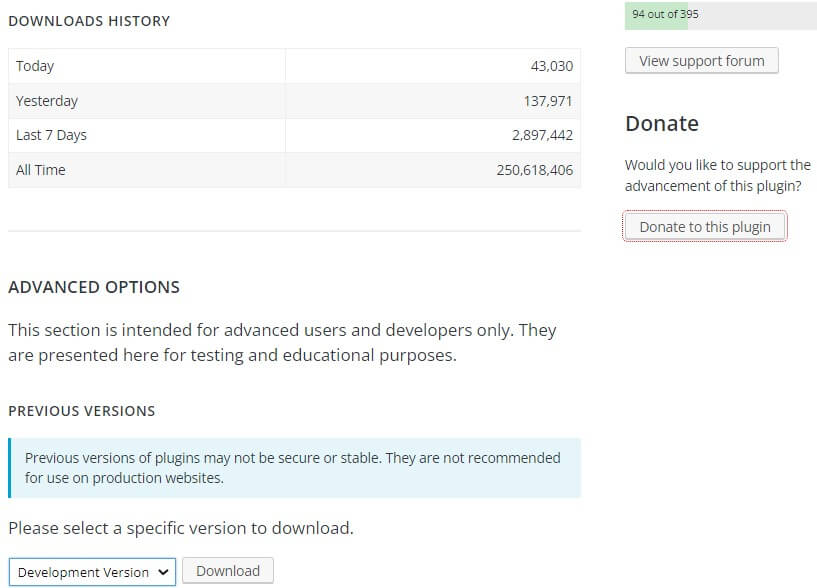
Advanced View tab reveals historical version release archives under the Advanced Options menu section.
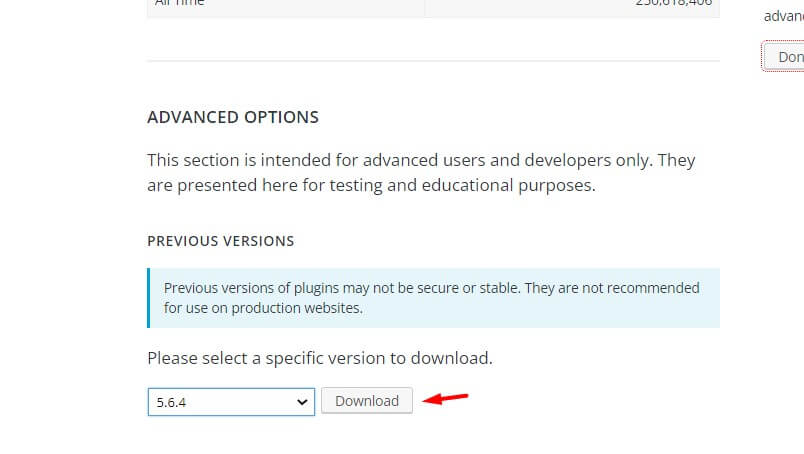
Previous version dropdown menu permits selecting and downloading specific historical plugin ZIP packages.
Select your desired previous stable version from the dropdown list and click Download to save the ZIP file to your computer.
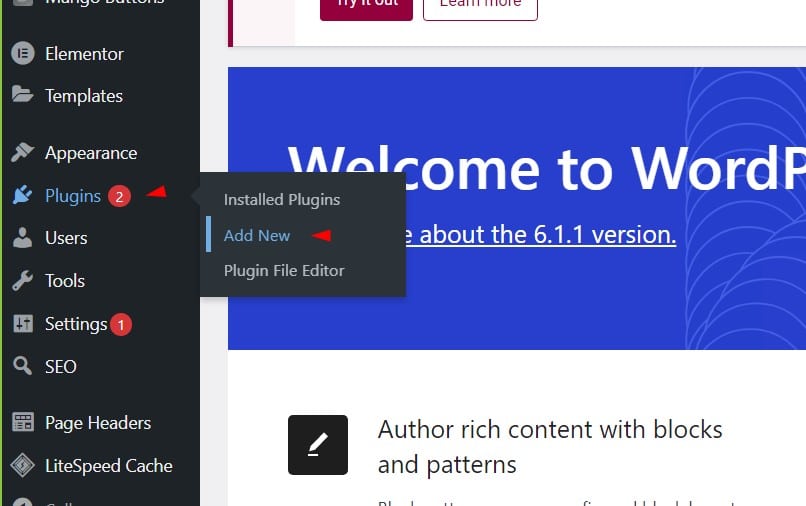
Plugins Add New menu in wp-admin allows uploading your downloaded historical ZIP archive.
Navigate to Plugins > Add New > Upload Plugin inside your WordPress dashboard, select your downloaded ZIP file, and click Install Now.
WordPress will prompt you confirming whether you wish to replace the current active version with the uploaded previous version.
Click Replace current with uploaded to overwrite the broken plugin version with the stable legacy release.
Replacing active plugin files with historical ZIP archives restores previous functionality without affecting stored database settings.
Method 2: Automated Rollback Using WP Rollback Plugin
The WP Rollback plugin automates reverting free WordPress.org plugins to previous releases with 1-click controls directly inside wp-admin. Installing WP Rollback adds a direct Rollback action link beneath every plugin listed on your Plugins page.
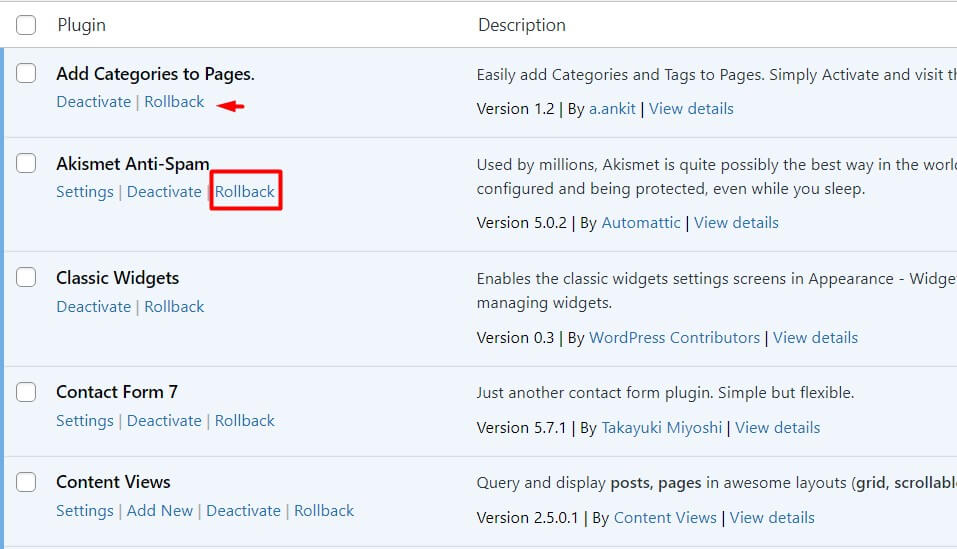
WP Rollback adds direct Rollback action links beneath installed plugins on the WordPress Plugins screen.
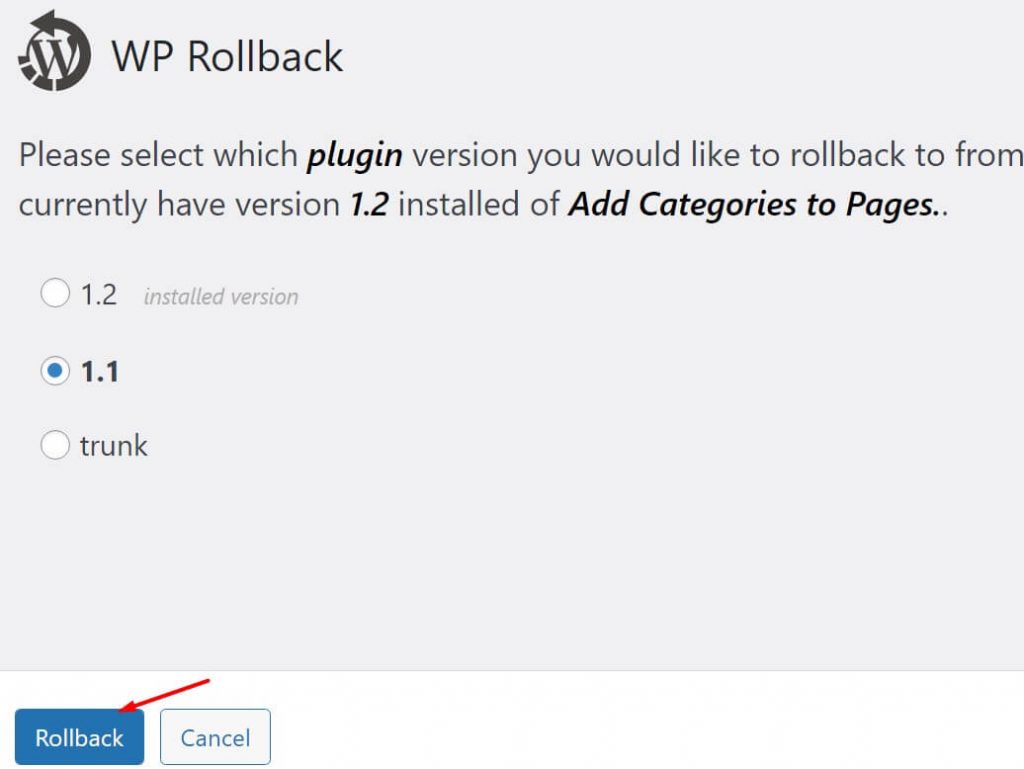
WP Rollback selection screen displays available historical version releases ready for 1-click downgrade execution.
Click Rollback under the target plugin name to open the version selection matrix.
Select your preferred previous version number radio button and click Rollback at the bottom of the page.
WP Rollback fetches the archived file package from WordPress.org and replaces the active plugin files automatically.
Using automated rollback tools saves significant time during emergency plugin troubleshooting scenarios.
Method 3: Manual Server File Downgrade via cPanel or FTP
Manual cPanel FTP file downgrading replaces plugin files directly inside your server’s /wp-content/plugins/ directory. Manual FTP overwrites resolve white screen dashboard lockouts when administrative logins are inaccessible.
Unzip your downloaded historical plugin ZIP file on your local computer before connecting to your web server via cPanel File Manager or FTP.
Navigate to your site’s /wp-content/plugins/ directory and delete or rename the existing plugin folder.
Upload the extracted previous plugin version folder directly into the /wp-content/plugins/ server directory.
Log back into your WordPress administrative dashboard to confirm the downgraded plugin version is active.
Manual FTP file replacement serves as a critical server-side recovery method during severe dashboard lockouts.
Essential Precautions to Take Before Downgrading Plugins
Taking safety precautions before downgrading plugins protects site database integrity and prevents catastrophic data loss. Apply the 4 safety rules below before executing any plugin version rollback.
Executing database backups prior to rolling back plugins guarantees complete server recovery capabilities.
Configuring proper staging environments isolates experimental plugin changes from live website traffic.
- Perform Full Website Backup: Create an offsite backup of your site files and MySQL database before starting.
- Test in a Staging Environment: Test plugin rollbacks on a staging site before applying changes to your live site.
- Disable Automatic Plugin Updates: Temporarily disable auto-updates for the downgraded plugin so WordPress doesn’t overwrite your rollback.
- Report Bugs to Plugin Developers: Submit bug reports to plugin support forums detailing the conflict in the latest update.
WordPress Management Guides & Related Tutorials
Exploring related WordPress administrative tutorials helps site owners master widget placement, menu alignment, and image optimization. Review helpful companion guides below to enhance your site management skills.
Mastering core WordPress widgets and visual block formatting tools enhances your overall site presentation.
Learning essential troubleshooting procedures keeps your website operating smoothly across all updates.

Guide visual demonstrates embedding responsive Google Maps location widgets on WordPress contact pages.

Tutorial graphic showcases creating custom sidebar photo widgets for personal author bio boxes.

CSS walkthrough graphic illustrates centering header navigation menus across desktop theme layouts.

Widget tutorial preview explains adding live weather forecasting widgets to local community blogs.

Block editor guide demonstrates styling pull quote blocks to highlight testimonial quotes.

Image optimization tutorial graphic outlines scaling up low-resolution photos using mobile editing apps.
Frequently Asked Questions About Downgrading WordPress Plugins
Frequently asked questions regarding downgrading WordPress plugins address rollback plugin functionality, database schema risks, manual SFTP restoration steps, automatic update overrides, and troubleshooting stability. Review verified technical answers in this reference section.
What is the easiest way to downgrade a WordPress plugin?
The easiest way to downgrade a WordPress plugin is by using the free WP Rollback plugin from the WordPress repository. It adds a Rollback action link under each installed plugin, allowing administrators to select and reinstall any prior release with a single click.
This automated installation tool fetches legitimate archived repository packages directly from WordPress servers without requiring external FTP access.
Can downgrading a plugin break a WordPress website?
Downgrading a plugin can cause database compatibility issues or fatal PHP errors if the newer version altered database schema tables. Always generate a full staging or database backup before rolling back plugin files, and test core functionality immediately following the downgrade.
Testing rollbacks in an isolated staging environment confirms that custom post types and settings tables remain fully functional.
How do I manually downgrade a WordPress plugin without a plugin?
To manually downgrade a plugin, download the target older version ZIP archive from the WordPress.org Advanced View page. Deactivate and delete the current version inside your WordPress dashboard or via SFTP, then upload and activate the older ZIP archive file.
Manual SFTP replacement preserves existing plugin options stored within your MySQL database options table.
Does rolling back a plugin fix recent site errors?
Rolling back a plugin immediately resolves conflicts caused by recent buggy releases, outdated PHP incompatibilities, or script conflicts with active themes. Once stability is restored, monitor developer changelogs to identify when a permanent patch becomes available before updating again.
Submitting a diagnostic bug ticket on the developer support forum helps ensure the next official update fixes the underlying conflict.
Will a downgraded WordPress plugin update automatically again?
Yes, WordPress flags older plugin versions for updates automatically unless automatic updates are disabled. To prevent accidental updates, disable automatic plugin updates in the WordPress dashboard or use dedicated code snippets in your child theme functions.php file.
Pinning plugin versions ensures your stable production environment remains intact until you manually approve future upgrades.

I’m Abdullah Prem, a passionate blogger with over 10 years of experience. I created BloggersNeed to produce high-quality, easy-to-understand articles, guides, and tutorials that help people start their blogging journey. Specializing in WordPress, Hosting, Themes, and online money-making strategies, I’ve been featured on leading tech platforms such as Tech.co, Cloudways, Business2Community, Leadpages, GoodFirms, and ShareThis. BloggersNeed.com