

Quick Summary: Free WordPress Link Cloaking in 2026
Learning how to cloak affiliate links for free allows content creators to turn ugly merchant URLs into clean branded redirects. Cloaked links protect commission tracking cookies, stop ad blockers from stripping referral tags, and increase user click-through rates by up to 35%.
WordPress bloggers can deploy automated redirection using free repository plugins like ThirstyAffiliates, adopt external cloud shorteners like Bitly, or write server-level redirect directives directly inside web server configuration files.
Publishers who cloak affiliate links wordpress blogs display can safeguard outbound referral links against scraping scripts while establishing high domain credibility. Raw affiliate URLs typically contain tracking tokens, merchant partner IDs, and complex query strings that appear untrustworthy to casual site visitors.
Modern ad-blocking browser extensions and malware scanners frequently block or strip parameters from direct merchant referral links. By converting external tracking URLs into clean local paths like yourdomain.com/go/product/, website owners preserve their affiliate attribution cookies across all visitor devices.
Managing high-volume redirect routes demands fast server response times to avoid user drop-off during 301 and 307 hops. When constructing affiliate content hubs, pairing your cloaker with the best WordPress hosting ensures minimal server redirect latency and maximum conversion efficiency.

Understanding Free Affiliate Link Cloaking Architecture in 2026
Free affiliate link cloaking is a technical redirect method transforming complex merchant referral URLs with tracking parameters into clean, branded domain paths. This server routing mechanism conceals publisher affiliate IDs, stops ad-blockers from breaking referral tracking cookies, and increases user click engagement.
Web browsers handle URL redirects through standard HTTP status response headers. When a visitor clicks on a cloaked link, your web server intercepts the request before returning a location header pointing to the merchant landing page.
Choosing the correct HTTP status code determines how browsers and search engines treat the redirection hop. While a 301 header signifies a permanent move, a 307 temporary redirect forces browsers to re-verify tracking destinations on subsequent clicks.
Implementing free affiliate link cloaking protects your content from commission hijacking extensions. Unauthorized browser extensions often inspect webpage links to swap publisher affiliate codes with competing IDs, silently diverting earned affiliate commissions.
Centralized link management represents another operational benefit of URL cloaking. When an affiliate network changes its domain structure or tracking URLs, updating a single redirect record automatically updates every link across your entire website.
Method 1: Cloak Affiliate Links for Free with ThirstyAffiliates Plugin
ThirstyAffiliates is a free WordPress link cloaker plugin that enables publishers to generate clean branded redirects, assign custom link prefixes, and manage outbound links. Installing this plugin from the official WordPress repository gives bloggers full control over affiliate redirect paths without paying premium licensing fees.
Using a specialized affiliate link cloaker streamlines link administration across thousands of posts. The core version of ThirstyAffiliates remains completely free to install and includes built-in link categorization, click tracking statistics, and visual editor integration.
The free plugin handles link redirection efficiently without causing database bloat. It provides essential settings for automated rel tag enforcement, category organization, and link prefix assignment.
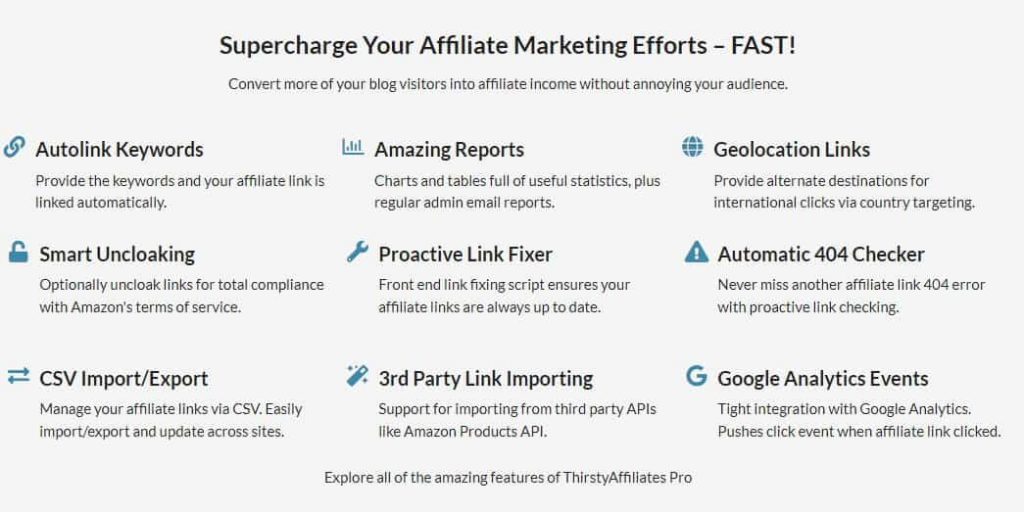
Installing and Configuring General Settings in ThirstyAffiliates
Installing ThirstyAffiliates requires navigating to the Plugins Add New screen inside your WordPress dashboard and searching for the tool. Once activated, configure the general settings to enforce automated nofollow rel tags, open links in new browser tabs, and select an optimal redirection HTTP status code.
Begin setup by logging into your WordPress administrator control panel. Navigate to Plugins, select Add New, enter ThirstyAffiliates in the search bar, click Install Now, and activate the extension.
The configuration steps are detailed in the following checklist.
- Open the ThirstyAffiliates menu tab on your dashboard sidebar.
- Select Settings and click the General Settings tab.
- Enable the option to open cloaked links in new browser tabs.
- Set the default link redirection type to 307 Temporary.
- Ensure the nofollow and sponsored link relationship options remain enabled.
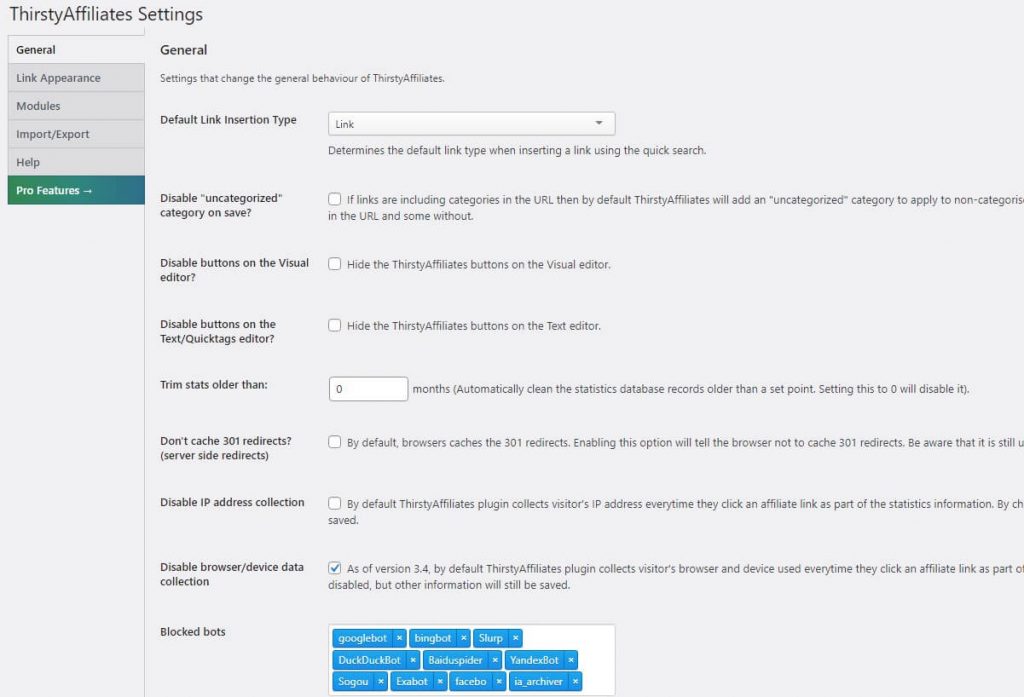
Reviewing the general options tab ensures that newly generated redirect links automatically inherit compliant search engine crawling directives. This automation eliminates manual HTML coding errors across extensive editorial archives.
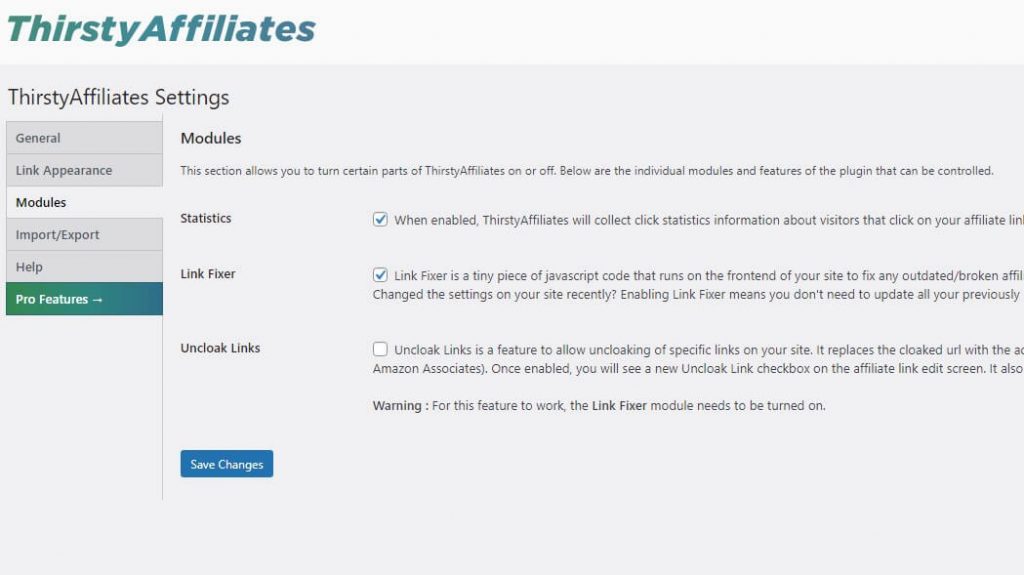
Module settings allow site owners to activate optional functional components according to site requirements. You can toggle performance features and reporting modules based on your server capacity.
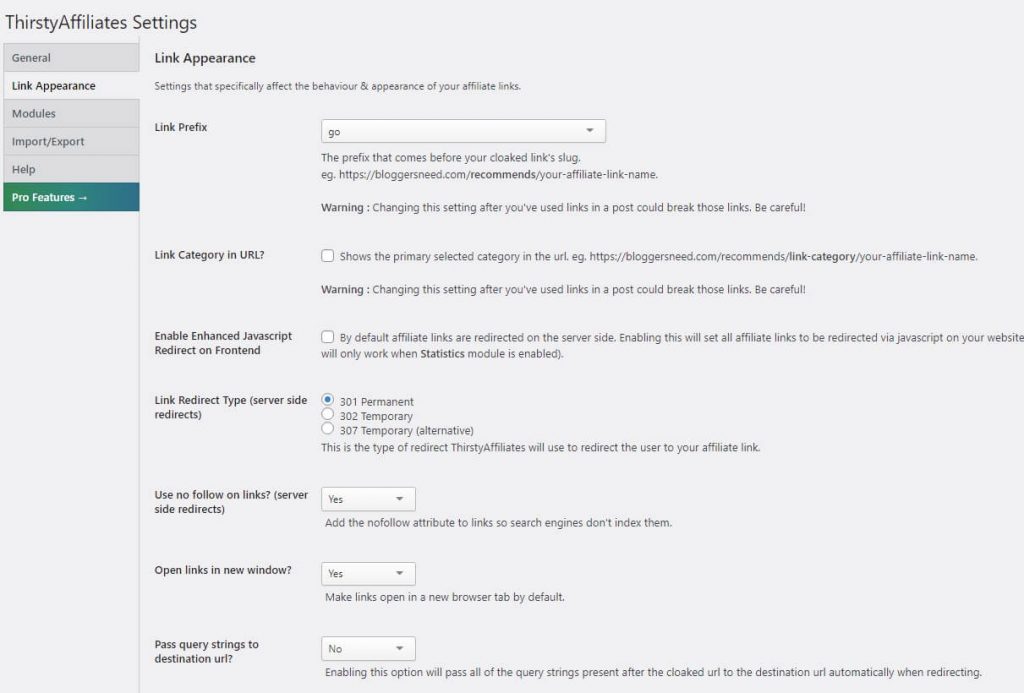
Setting Up Link Prefixes and Redirect Tracking Parameters
Configuring link prefixes in ThirstyAffiliates establishes the URL slug path structure, such as /go/, /recommends/, or /review/, used across all cloaked links. Setting redirect types to 307 temporary redirects prevents web browsers from aggressively caching affiliate URLs, ensuring every click registers accurate tracking analytics.
The link prefix defines the URL directory folder where cloaked redirects reside. Popular prefixes include /go/, /recommends/, /suggests/, and /out/.
Selecting a uniform prefix structure simplifies web server caching exclusions. It also enables bloggers to disallow the entire redirect folder from public search crawler indexing using standard robots exclusion rules.
Enabling click tracking scripts records user engagement metrics within your WordPress dashboard. Publishers can monitor daily click volume, identify high-converting merchant offers, and optimize link placements across top-performing articles.
Creating and Inserting Branded Cloaked Affiliate Links
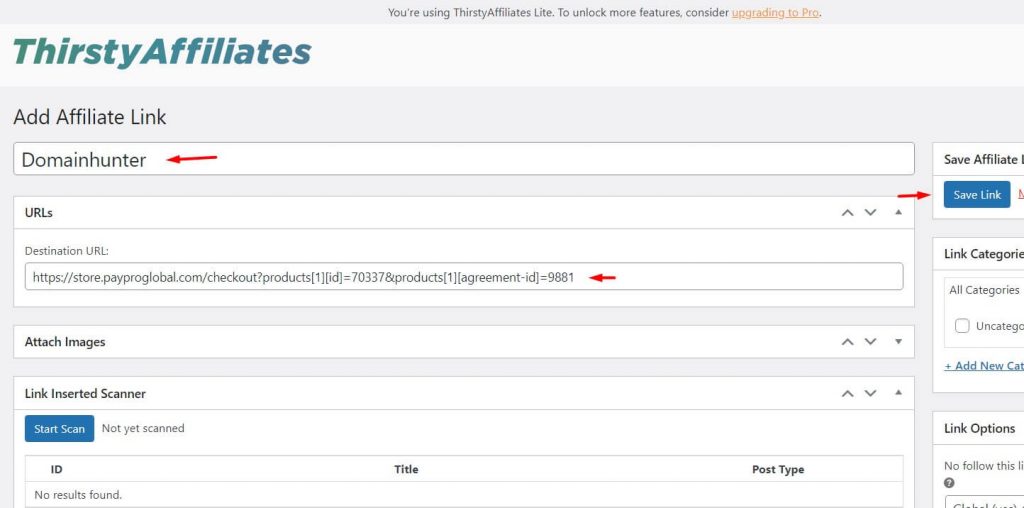
Creating a cloaked link involves adding a title, pasting the raw merchant tracking link into the destination field, and saving. ThirstyAffiliates generates an instant vanity redirect URL that you insert directly into WordPress posts and pages using the standard block editor link tool.
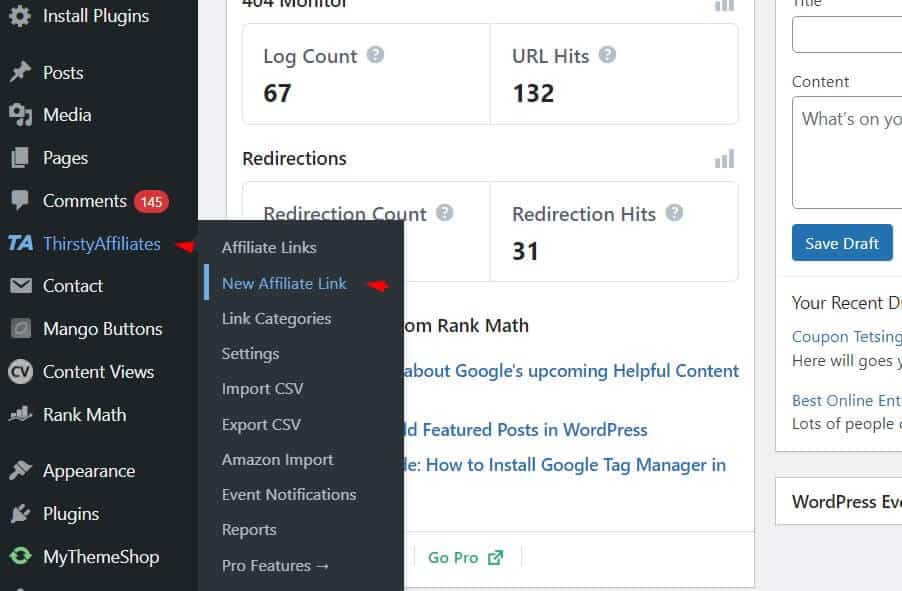
To register a new affiliate merchant link, navigate to ThirstyAffiliates and select New Affiliate Link. Enter a descriptive title representing the merchant product or software service.
Paste the full tracking link provided by your affiliate network into the Destination URL box. Click the Save Link button located in the right-hand publishing panel.
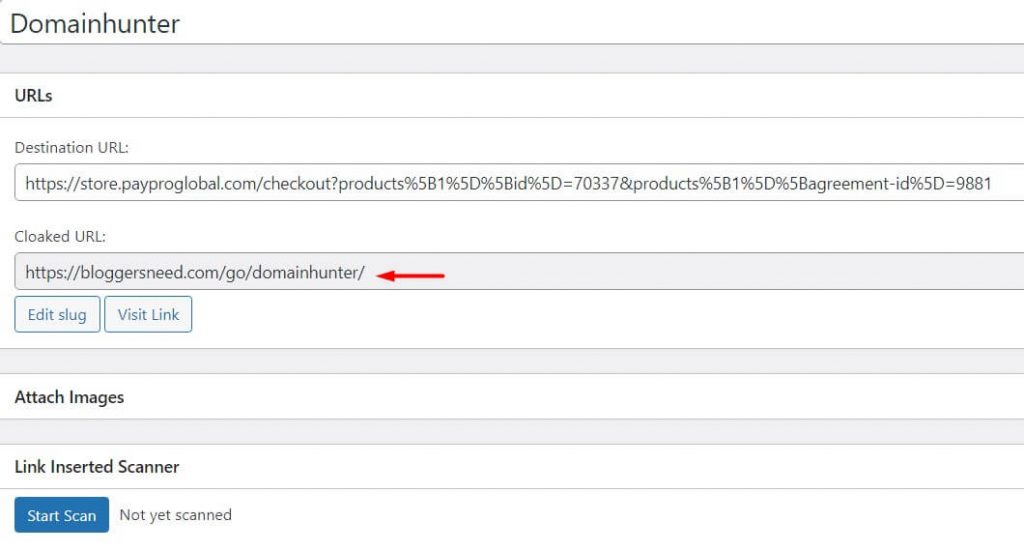
The system immediately creates a vanity URL matching your chosen prefix and link title slug. The affiliate link repository lists all active URLs for rapid reference and batch updating.
Inserting cloaked links into your content takes seconds inside the Gutenberg block editor. Highlight the target anchor text, click the link button, and search for your link title.
Method 2: Cloak Affiliate Links for Free with Bitly (Zero Plugins)
Bitly is a free cloud URL shortener that cloaks long affiliate links without installing third-party WordPress plugins. Creating a free account enables webmasters to paste raw merchant referral URLs, customize back-half slugs with descriptive keywords, and track outbound click performance in real time.
Using an external cloud shortener suits publishers who prefer a minimalist WordPress installation. Avoiding extra plugins preserves server memory and eliminates compatibility updates during major core CMS releases.
The step-by-step procedure for shortening affiliate links with Bitly is outlined below.
- Register a free account on the official Bitly platform.
- Click the Create New button located in the dashboard navigation bar.
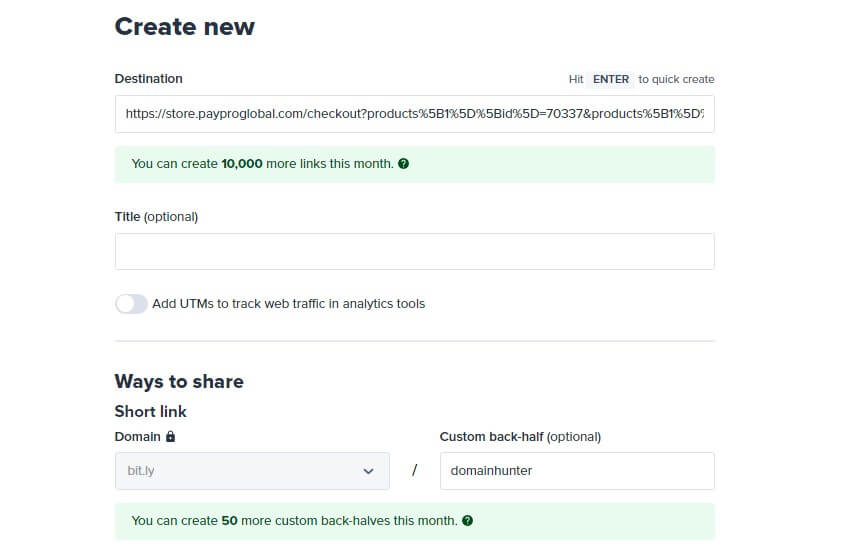
- Paste your complex destination affiliate URL into the Destination field.
- Add an optional descriptive title for internal tracking.
- Customize the back-half text with your preferred branded keywords.
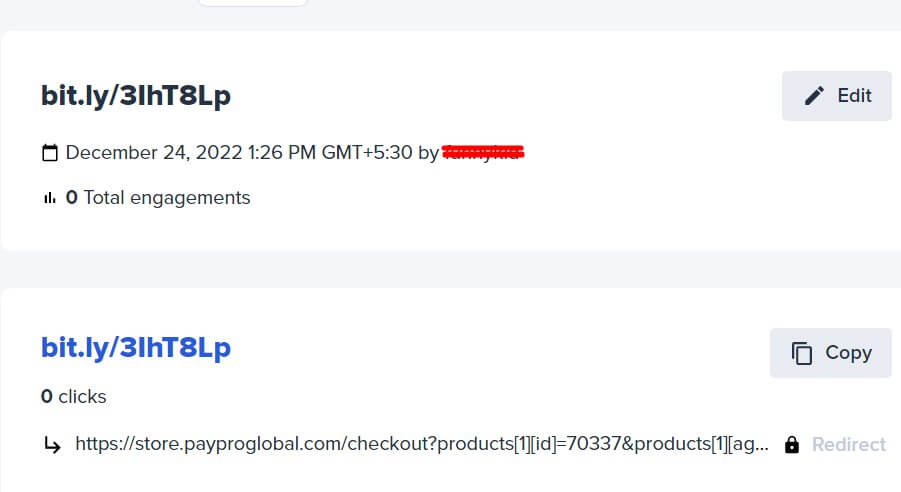
- Copy the generated short URL for immediate insertion into your content.
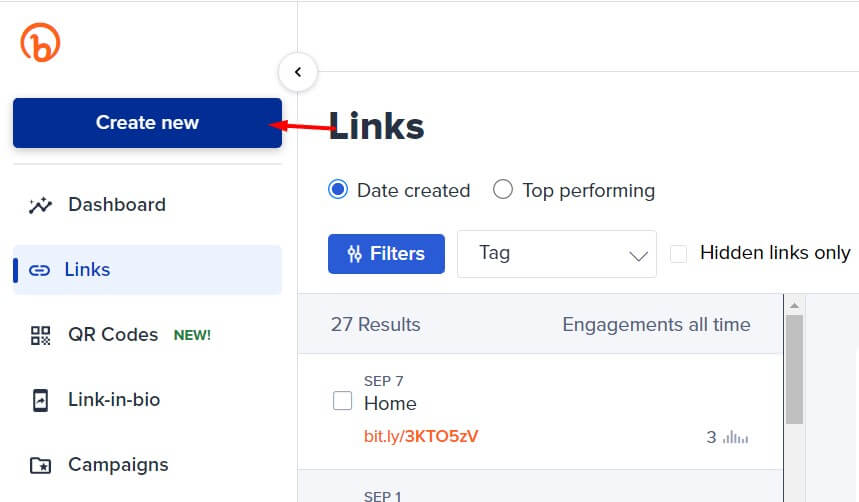
Assigning relevant keywords to the URL back-half makes short links readable and click-friendly. Clean URLs improve user trust across email newsletters, YouTube descriptions, and social media feeds.
Bitly aggregates click statistics by geographic location and referring platform. These analytics help creators understand traffic sources without installing database-heavy tracking scripts.
Method 3: Cloak Affiliate Links for Free Using Server-Level .htaccess Rules
Server-level .htaccess link cloaking uses Apache rewrite rules and redirect directives routing vanity URL paths directly to merchant partner destinations. This plugin-free method runs at bare-metal web server speed, eliminates WordPress PHP execution overhead, and provides complete URL branding using your existing primary domain.
Advanced website administrators can configure link cloaking directly inside the Apache .htaccess configuration file. This approach bypasses WordPress PHP execution completely, executing redirections at the web server layer in single-digit milliseconds.
To establish server-level redirects, access your site root directory using Secure File Transfer Protocol or cPanel File Manager. Locate the .htaccess file and open it in a plain text editor.
Insert simple redirection directives following the pattern below.
Redirect 307 /go/product-name/ https://merchant.com/tracking?aff_id=12345
Redirect 307 /go/hosting-deal/ https://merchant.com/aff_c?offer_id=67890
Save your configuration file and test the vanity URL in an incognito browser window. The server immediately returns the 307 temporary redirect status header, seamlessly delivering visitors to the merchant landing page.
While server-level cloaking delivers blazing speed, it lacks automated click tracking dashboards. Webmasters must analyze raw server access logs or use Google Analytics event tags to evaluate click metrics.
Comparison of Free Link Cloaking Methods
Comparing free link cloaking solutions requires evaluating domain branding control, SEO attribute automation, server resource usage, and reporting functionality. While WordPress plugins provide automated nofollow tagging and editor integration, cloud shorteners offer external flexibility, and server redirects deliver the highest processing speeds for lean sites.
Reviewing operational differences helps publishers select the ideal solution for their technical requirements and publishing volume. The technical comparison below breaks down key capabilities across each approach.
| Cloaking Method | Domain Branding | Automated SEO Rel Tags | Click Tracking Analytics | WordPress Resource Usage | Pricing |
|---|---|---|---|---|---|
| ThirstyAffiliates Plugin | 100% Custom Domain | Automatic sponsored & nofollow | Built-in admin dashboard | Low (Optimized PHP) | Free ($0.00) |
| Bitly Cloud Platform | bit.ly Domain Prefix | Manual HTML configuration | Cloud dashboard reports | Zero (External Hosted) | Free tier available |
| Server .htaccess Redirects | 100% Custom Domain | Manual HTML configuration | Server access logs only | Bare-metal server speed | Free ($0.00) |
For most WordPress content creators, ThirstyAffiliates offers the strongest balance of features, convenience, and automation. Sites with massive traffic or custom static environments often prefer server-level redirect directives.
Technical Best Practices and Mistakes to Avoid When Cloaking Links
Technical link cloaking best practices require appending rel=”nofollow sponsored” tags, choosing 307 temporary redirects over 301 permanent redirects, and checking merchant terms. Publishers must avoid cloaking Amazon Associates URLs directly and prevent blocking redirect prefix slugs inside public robots.txt crawler directives.
Adhering to search engine quality guidelines ensures your affiliate content maintains strong organic rankings. Search engines mandate explicit link relationship tags on all monetized links.
Always tag cloaked affiliate links with rel="sponsored" or rel="nofollow" attributes. These attributes instruct search engine crawlers not to pass PageRank link equity to commercial affiliate partner domains.
Selecting 307 temporary redirects is preferable to 301 permanent redirects for affiliate links. Browsers cache 301 redirects permanently in local storage, which prevents affiliate plugins from recording subsequent click events from returning visitors.
Amazon Associates maintains strict policies prohibiting URL masking. Cloaking Amazon links to obscure the destination violates the Amazon Associates Operating Agreement and can lead to immediate account termination.
When linking to Amazon products, always use official amzn.to short links or activate ThirstyAffiliates Amazon Uncloaking feature. This feature dynamically reveals destination URLs to maintain full compliance.
Avoid blocking your cloaked link directory in your robots.txt file. Blocking the prefix folder prevents search engine bots from parsing the rel="sponsored" tag on the destination redirect header.
Frequently Asked Questions About Free Affiliate Link Cloaking
Common questions regarding free affiliate link cloaking address search engine compliance, Amazon operating agreements, redirect status codes, and server performance impact. Implementing cloaked links with proper sponsored link attributes complies fully with Google Webmaster guidelines while protecting referral cookies and maintaining high user click-through rates.
Does cloaking affiliate links violate Amazon Associates policies?
Cloaking affiliate links violates the Amazon Associates Operating Agreement if the cloaking mechanism conceals that the link directs users to Amazon. Publishers must use official amzn.to short links or enable uncloaking features in WordPress plugins so Amazon product links display transparent destination endpoints.
Amazon requires complete transparency regarding destination domains. Using standard URL cloakers on Amazon links without automated uncloaking risks account closure and forfeiture of unpaid commission balances.
What is the difference between a 301 and 307 redirect for affiliate links?
A 301 redirect is a permanent redirection status code cached by browsers, preventing server-side click tracking on repeated visits. A 307 temporary redirect forces browsers to query the origin server on every click, guaranteeing accurate referral data collection and updated destination URLs.
Using 307 redirects ensures that any destination URL updates take effect immediately for all visitors without waiting for browser cache expiration cycles.
Will cloaking affiliate links harm my SEO rankings?
Cloaking affiliate links does not harm organic SEO search rankings when implemented with proper rel=”nofollow sponsored” link attributes. These standard link relationship tags signal to search engine spiders that the outbound hyperlink is a paid commercial recommendation, preventing unauthorized PageRank equity transfer.
Google search guidelines explicitly encourage site owners to qualify paid links using the sponsored attribute. URL cloaking with compliant link attributes remains standard practice across top-ranking authority websites.
Can I cloak affiliate links without installing any WordPress plugins?
You can cloak affiliate links without installing WordPress plugins by adding Redirect 307 rules into your server .htaccess file. Alternatively, cloud link management services like Bitly allow bloggers to create shortened vanity links externally without adding database queries or PHP scripts to WordPress.
Both server directives and cloud shorteners deliver dependable link management without increasing plugin maintenance overhead on your WordPress instance.
How does an affiliate link cloaker prevent commission theft?
An affiliate link cloaker prevents commission theft by masking raw referral IDs and merchant query strings that malicious browser extensions target. By hiding the affiliate tracking string behind a branded vanity URL, cloakers prevent adware scripts from swapping your affiliate cookie with unauthorized publisher tags.
Vanity URLs also prevent visitors from manually trimming tracking parameters from merchant URLs before finalizing purchases, protecting your rightful earnings.

I’m Abdullah Prem, a passionate blogger with over 10 years of experience. I created BloggersNeed to produce high-quality, easy-to-understand articles, guides, and tutorials that help people start their blogging journey. Specializing in WordPress, Hosting, Themes, and online money-making strategies, I’ve been featured on leading tech platforms such as Tech.co, Cloudways, Business2Community, Leadpages, GoodFirms, and ShareThis. BloggersNeed.com