
Is Affiliate Marketing Worth It in 2026?
Affiliate marketing is worth it in 2026 for creators who treat publisher sites as commercial business assets rather than passive hobbies. Modern search engines reward verifiable hands-on product testing, focused topic authority, and multichannel audience loyalty while rejecting thin automated affiliate review sites.
The digital publishing landscape has evolved significantly over the past decade. The era of launching simple five-page review websites and collecting passive commission payments without ongoing maintenance has ended.
Modern consumers demand comprehensive product evaluations, real-world testing data, and transparent comparisons before completing transactions through affiliate partner links.
Quick Verdict on Affiliate Publishing:
Affiliate marketing remains one of the highest-margin online business models available. Low operating expenses, zero inventory liabilities, and uncapped commission potential deliver exceptional risk-adjusted returns compared to traditional retail or physical e-commerce ventures.
Publishers who commit to high-utility editorial content, disciplined topical clustering, and direct merchant relationships reliably achieve sustainable referral revenue within nine to twelve months.
Publishers who conduct authentic product audits and build trusted audience connections capture steady referral revenue across competitive commercial search categories.

Newcomers frequently ask whether is affiliate marketing legit or merely an elaborate online scheme. Established global brands allocate billions to affiliate programs annually because performance-based partner compensation yields verifiable return on advertising spend.
Regulatory authorities like the Federal Trade Commission mandate clear partner disclosures to protect consumers. For thorough statutory guidance, read our detailed analysis on whether affiliate marketing is legal under current federal advertising regulations.
Skeptics often claim that is affiliate marketing dead due to recent algorithm adjustments and artificial intelligence tools. The business model has not died; rather, low-effort programmatic spam and copied merchant descriptions have lost search visibility.
Industry sales statistics confirm that is affiliate marketing still profitable for publishers producing actionable walkthroughs, proprietary data comparisons, and transparent user tutorials that address explicit buyer intent.
When you provide genuine assistance to consumers evaluating complicated purchases, affiliate commissions serve as a natural byproduct of demonstrated value.
The Economics of Affiliate Marketing: Realistic Startup Costs
The average affiliate marketing startup cost ranges between $150 and $300 for your initial year of operations. Core capital requirements cover custom domain registration, reliable shared web hosting, an SEO-optimized WordPress theme, and essential email capture software without burdensome retail inventory overhead.
Unlike physical e-commerce or brick-and-mortar storefronts, digital publishing requires minimal upfront capital investment. A lean operational stack allows bootstrap entrepreneurs to test niche profitability without risking significant personal savings.
Securing a domain name typically costs $10 to $14 annually through reputable domain registrars. Your domain serves as the primary digital asset and permanent brand home for your publishing enterprise.
Hosting infrastructure represents your most critical ongoing operational investment. If you are budgeting your initial website setup, our guide exploring how much should web hosting cost outlines server tier pricing across industry providers.
Entry-level publishers achieve dependable speed and uptime through quality entry packages. Reviewing what is shared web hosting helps beginners understand server partitioning, storage allocations, and baseline operational mechanics.
To minimize cash burn while maintaining fast server response times, examine our vetted recommendations for the best cheap web hosting platforms that deliver LiteSpeed caching and automated backups.
Theme selection directly impacts Core Web Vitals and search rankings. Selecting lightweight templates from our curated collection of the best wordpress themes ensures swift page load speeds across mobile browsers.
The following financial breakdown details the realistic first-year capital investment required to launch a competitive affiliate publishing asset.
| Budget Item | Recommended Provider / Tool | Estimated First-Year Cost | Operational Purpose |
|---|---|---|---|
| Custom Domain Name | Namecheap / Porkbun | $10 – $14 / year | Brand identity, professional URL structure, and domain authority. |
| Web Hosting | Hostinger Premium Shared Plan | $35 – $60 / year | Server uptime, SSL encryption, database hosting, and site speed. |
| WordPress Theme & Builder | GeneratePress / Kadence (Free Tiers) | $0 (Free) to $59 / year | Fast rendering, responsive design, and Core Web Vitals compliance. |
| Email Marketing Software | MailerLite / Brevo (Free Tiers) | $0 (up to 1,000 subscribers) | Subscriber capture, automated email sequences, and direct promotion. |
| SEO & Research Tools | Google Search Console + Free Keyword Tools | $0 (Free) | Keyword discovery, indexing verification, and ranking surveillance. |
| Total Expected First-Year Cost | Lean Practitioner Tech Stack | $150 – $300 / year | Complete commercial infrastructure ready for search monetization. |
Maintaining low initial operating overhead ensures that you can sustain publishing activities for twelve months without financial strain or premature abandonment.
How Much Money Can Beginners Actually Make?
New affiliate marketers generally earn between $0 and $1,500 monthly during their initial operating year. Early commission revenue accrues gradually while search engines index new URLs, but earnings compound significantly once publishing authority, commercial keyword rankings, and reader trust achieve mature momentum.
Prospective creators routinely inquire how much can you make with affiliate marketing when starting without an established personal following or large existing email list.
Earning velocity correlates directly with commercial niche selection, traffic acquisition channels, and conversion rate optimization rather than sheer publication volume.
Affiliate income does not follow a linear hourly wage trajectory. Instead, content assets require upfront sweat equity before generating recurring referral payouts over several years.
Month 1-6 Expectations: Search Sandboxes and Foundation Building
Publishers should expect between $0 and $100 monthly throughout the initial six months of website development. Search engines require several months to establish baseline crawl frequency, index transactional cluster articles, and evaluate topical relevance before granting competitive organic search keyword rankings consistently.
During this preliminary phase, your primary focus centers on publishing comprehensive content clusters, establishing clean site architecture, and building topical authority around specific problem areas.
Most new websites experience the typical Google sandbox period where organic impressions grow while top-three organic rankings remain scarce.
Early revenue typically originates from long-tail informational queries or community referrals rather than competitive commercial keywords.
Patience during these initial months separates successful site owners from those who abandon their digital properties prematurely.
Tracking impressions inside Google Search Console provides leading indicators of future revenue growth long before commission notifications arrive.
Month 7-12 Scaling Phase: Compounding Traffic and Organic Conversions
Monthly earnings frequently expand from $200 to $1,500 during months seven through twelve as articles gain search traction. Accumulated backlink signals, matured search indexation, and optimized affiliate link placements begin producing consistent daily referral transactions across published product buying guides and comparisons.
As commercial buyer guides climb toward page one rankings, click-through rates on contextual partner links increase substantially.
Review pages and product comparisons begin converting qualified buyers consistently as search engines recognize your topical authority.
At this stage, publishers can reinvest early commission revenue into premium keyword research tools or freelance editorial assistance to accelerate cluster coverage.
Implementing clean callout boxes, comparison tables, and prominent call-to-action buttons helps maximize conversion rates on existing organic visitors without needing massive traffic surges.
Strategic product positioning and authentic editorial evaluations generate steady affiliate conversions as organic search visibility expands across targeted transactional keywords.
Year 2+ Full-Time Potential: Authority Portfolios and Diversification
Established affiliate sites routinely generate between $3,000 and $10,000 or more per month after twenty-four months of consistent publishing. High domain authority captures competitive keywords, enables custom merchant commission negotiations, and creates valuable brand equity suitable for lucrative portfolio acquisitions or exits.
Reaching this maturity phase transforms a single affiliate website into a diversified media brand with resilient cash flows.
Publishers command higher commission rates through private affiliate manager relationships and exclusive promotional bonuses.
Experienced operators also capture subscriber contact information to build independent traffic assets through email newsletters, insulating their revenue from volatile search ranking fluctuations.
High-performing content assets require periodic refreshes rather than total rewrites, allowing website owners to scale secondary sites or pursue synergistic digital acquisitions.
Why 90% of Affiliate Marketers Fail
The realistic affiliate marketing success rate hovers near 10 percent because most beginners abandon their sites before organic rankings mature. Common failure points include targeting hyper-competitive broad niches, publishing thin AI-generated content, neglecting technical site performance, and misunderstanding commercial search intent.
Aspiring entrepreneurs are often disheartened to learn that the industry affiliate marketing success rate remains relatively low.
Understanding why nine out of ten entrants quit reveals the operational blueprint required to reach long-term profitability.
Affiliate marketing is a legitimate business requiring editorial discipline, technical competence, and resilience against algorithmic adjustments rather than a get-rich-quick shortcut.
Thin Content and SEO Algorithm Volatility
Publishers relying on regurgitated product summaries or automated content scraping suffer severe ranking demotions during major search quality updates. Modern ranking systems prioritize firsthand testing insights, authentic original product imagery, and comprehensive semantic coverage over superficial product specification lists copied from merchants.
Search engine algorithms continually refine how they evaluate product review content across every consumer category.
Pages that merely copy merchant specifications without unique perspective, hands-on tests, or pricing calculations fail quality thresholds.
Winning publishers invest time taking custom interface screenshots, documenting software quirks, and conducting head-to-head performance benchmarks that deliver measurable information gain to prospective buyers.
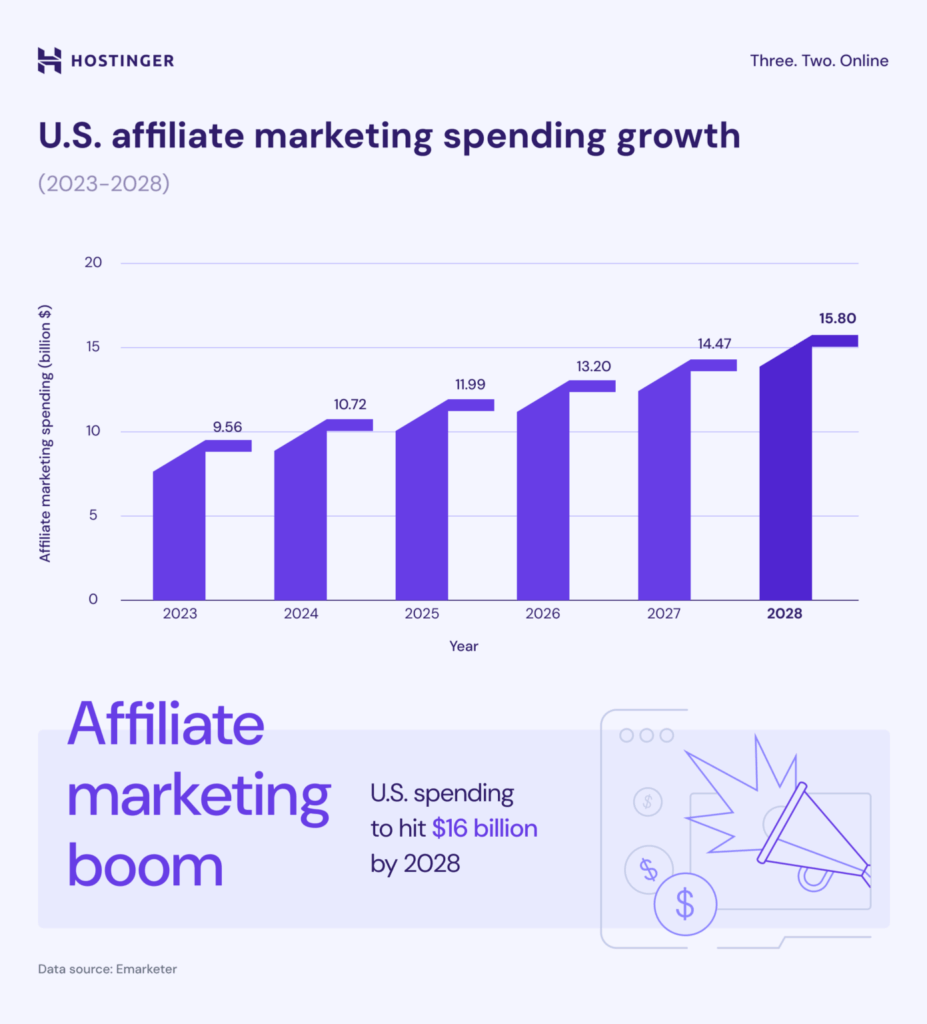
Industry spending on digital affiliate networks continues rapid global expansion, rewarding creators who establish authoritative publishing platforms and loyal readership bases.
Poor Niche Selection and Zero Search Intent
Entering oversaturated verticals without clear topical differentiation leads to wasted operational effort and nonexistent referral revenue. Novice publishers often target broad generic keywords dominated by legacy media corporations rather than solving high-intent transactional problems for specific, underserved consumer buyer niche segments.
Targeting overly broad markets like general fitness or generic personal finance places new websites against massive editorial teams with eight-figure backlink budgets.
Conversely, selecting focused sub-verticals, such as specialized software for e-commerce store owners or ergonomic gear for remote workers, creates rapid pathways to niche topical authority.
Aligning articles with explicit transactional intent ensures that visitors arriving on your website are actively researching products with immediate intent to purchase.
Best Affiliate Programs for Beginners in 2026
Top affiliate programs for beginners provide accessible entry thresholds, responsive merchant support, transparent conversion tracking, and dependable payment schedules. Networks like Hostinger, Amazon Associates, and ShareASale provide dependable starting options across digital subscription services, physical retail consumer goods, and independent ecommerce merchants.
Selecting the right merchant partner directly influences your conversion rates and commission earnings over time.
Beginners should evaluate cookie durations, average order values, and commission percentages before committing promotional space.
For comprehensive evaluations of top-tier monetization networks across various industries, explore our curated breakdown of the best affiliate programs available for new publishers.
If you need structured educational guidance to master foundational affiliate concepts, review our step-by-step roadmap for learning affiliate marketing effectively.
Aspiring marketers seeking accelerated progress can also consult our benchmark reviews of the best affiliate marketing courses taught by experienced industry practitioners.
Hostinger Affiliate Program
The Hostinger affiliate program delivers competitive commission payouts reaching up to 60 percent for every qualifying web hosting referral. Affiliates benefit from an established global hosting brand, a 30-day cookie tracking window, high checkout conversion rates, and dedicated affiliate account manager assistance.
Web hosting represents one of the most lucrative commercial verticals in affiliate marketing due to strong merchant competition and recurring consumer demand.
Hostinger offers affordable entry pricing, making it an attractive recommendation for readers launching websites on tight startup budgets.
Their affiliate control panel provides real-time banner assets, campaign tracking parameters, and automated monthly payouts once commission thresholds are met.
Join Hostinger Affiliate Program
Amazon Associates Program
Amazon Associates remains the most accessible physical goods affiliate program worldwide, offering commission rates between 1 and 10 percent across millions of consumer products. Unmatched brand trust and high checkout conversion rates effectively offset relatively short 24-hour cookie tracking windows for publishers.
Amazon provides instant brand recognition that minimizes checkout friction for prospective buyers who already store payment details on the platform.
When visitors click your affiliate link, you receive credit for their entire shopping cart contents rather than just the specific item you reviewed.
While commission rates on electronics and grocery items are modest, high purchasing volume and holiday shopping surges make Amazon an excellent foundational revenue stream.
Explore Amazon Associates Program
ShareASale Affiliate Network
ShareASale is a premier affiliate network hosting over 25,000 diverse merchants spanning digital software, physical fashion, and lifestyle consumer brands. Publishers receive standardized monthly payouts, convenient deep link generation tools, reliable click attribution, and transparent merchant performance metric reports for campaign optimization.
Joining an affiliate network like ShareASale eliminates the hassle of tracking dozens of individual merchant logins and payment thresholds.
Their platform features prominent merchants offering recurring commission models, high average order values, and flexible promotional creatives for content sites.
New publishers gain access to dedicated merchant support teams who can provide custom promotional coupon codes and product testing samples.
Join ShareASale Affiliate Network
Comparison: Affiliate Marketing vs Dropshipping vs Blogging
Affiliate marketing requires significantly lower capital and zero customer support obligations compared to dropshipping or traditional advertising-funded blogging. While dropshipping offers higher gross revenue, affiliate publishing delivers superior net profit margins, lower operational liability, and resilient long-term organic traffic equity for founders.
Entrepreneurs comparing online business models often weigh affiliate publishing against e-commerce dropshipping and traditional display-ad blogging.
Each model presents unique capital demands, operational responsibilities, and profit trajectories that cater to different creator skill sets.
The comparative matrix details essential business parameters across these three popular monetization models.
| Business Parameter | Affiliate Marketing | Dropshipping | Display-Ad Blogging |
|---|---|---|---|
| Starting Budget | $150 – $300 | $1,000 – $3,000+ | $150 – $300 |
| Net Profit Margins | 70% – 90% | 10% – 25% | 60% – 80% |
| Time to Initial Profit | 6 – 12 Months | 1 – 3 Months | 9 – 15 Months |
| Customer Service Burden | None (Handled by Merchant) | High (Returns, Disputes, Inquiries) | None |
| Overall Financial Risk | Very Low | Moderate to High (Ad Spend Risk) | Very Low |
| Primary Traffic Source | Organic Search + Email | Paid Social Ads (Meta, TikTok) | High-Volume Organic Search |
Dropshipping offers faster initial revenue generation through paid social media advertisements, but rising cost-per-click rates and supplier supply chain delays compress net margins.
In addition, dropshippers shoulder full customer service responsibilities, chargebacks, and product return processing for goods they never touch.
Conversely, pure display advertising requires immense traffic volumes, often demanding over 50,000 monthly sessions to qualify for premium ad management networks.
Affiliate marketing strikes the optimal balance by generating high revenue per visitor on modest traffic levels without customer support headaches.
Frequently Asked Questions About Affiliate Marketing
Common questions surrounding affiliate marketing center on business legality, upfront startup capital, earning timelines, and long-term algorithmic viability. Reviewing these verified answers clarifies industry expectations and provides strategic practical direction for creators evaluating performance marketing as a sustainable online income path forward.
Is affiliate marketing legit or an online scam?
Affiliate marketing is a legitimate multibillion-dollar business model utilized by premier global brands like Amazon, Target, and Hostinger. Performance partnerships pay publishers standard sales referral commissions, contrasting sharply with illegal recruitment-driven pyramid operations investigated by the Federal Trade Commission and consumer regulators.
The Federal Trade Commission formally distinguishes genuine affiliate commerce from fraudulent multi-level marketing structures.
For example, the FTC prosecution of BurnLounge in 2012 established that paying commissions on actual retail sales is fully legal, whereas paying for member recruitment constitutes an unlawful pyramid scheme.
Is affiliate marketing dead in 2026?
Affiliate marketing is not dead in 2026, but low-effort content curation and generic product review summaries have lost organic search viability. Search engines actively prioritize authoritative creators who conduct original product evaluations, verify technical claims, and provide genuine purchasing guidance to buyers.
Publishers who adapt to modern search quality standards by including custom media, proprietary comparison data, and authentic user experiences continue to experience steady growth in search impressions and commission revenue.
Building direct audience relationships through email newsletters further insulates publisher revenue from periodic search engine ranking fluctuations.
Can you start affiliate marketing with no money?
You can technically start affiliate marketing with zero capital by promoting products on social media platforms or YouTube channels. However, investing a modest $150 to $300 annually for custom web hosting and domain ownership provides superior long-term asset control and search equity.
Relying exclusively on third-party social platforms exposes your business to unexpected account suspensions and algorithm changes.
Owning an independent WordPress site ensures you control your publishing assets, design presentation, and direct commercial relationships without platform gatekeepers.
Do you need a registered business or LLC for affiliate marketing?
Beginners do not need an official LLC to start affiliate marketing and can register with most affiliate networks as sole proprietors. As commission revenue scales beyond $1,000 monthly, establishing a formal business entity provides personal liability protection and advantageous tax treatment.
Most domestic and international affiliate networks simply require standard tax documentation, such as IRS Form W-9 for United States citizens or Form W-8BEN for international publishers, to distribute earnings legally.
Consulting a qualified certified public accountant helps establish optimal corporate structuring as your annual affiliate income expands.
How long does it take to make your first $1,000 in affiliate marketing?
Most dedicated publishers generate their first $1,000 monthly milestone between nine and fourteen months of consistent content publishing. This timeframe accounts for domain aging, search engine crawl frequency, initial cluster indexation, and iterative conversion rate optimization across published articles and product comparisons.
Achieving this earnings threshold faster requires publishing high-intent commercial content, such as software alternative guides and direct product comparisons, rather than purely informational definitions.
Focusing on high-converting merchant offers with generous cookie windows also accelerates the path to your first four-figure revenue month.

I’m Abdullah Prem, a passionate blogger with over 10 years of experience. I created BloggersNeed to produce high-quality, easy-to-understand articles, guides, and tutorials that help people start their blogging journey. Specializing in WordPress, Hosting, Themes, and online money-making strategies, I’ve been featured on leading tech platforms such as Tech.co, Cloudways, Business2Community, Leadpages, GoodFirms, and ShareThis. BloggersNeed.com