
Comparing Semrush versus Serpstat shows that Semrush provides superior keyword depth, backlink coverage, and technical auditing, while Serpstat delivers exceptional value as an affordable toolkit. Marketers managing commercial campaigns benefit from Semrush’s larger database, whereas freelancers save money using Serpstat.
Choosing between these two platforms requires evaluating database scale, daily crawl limits, and reporting requirements against your annual software budget.
Claim 14-Day Free Semrush Trial
Semrush vs Serpstat Feature Comparison Matrix
This side-by-side comparison matrix evaluates Semrush and Serpstat across core operational dimensions including database size, backlink crawlers, daily report allowances, and subscription pricing. Reviewing these technical specifications helps SEO practitioners align software capabilities with specific agency workflows and client reporting demands.
| Evaluation Metric | Semrush | Serpstat | Platform Advantage |
|---|---|---|---|
| Keyword Database Size | 25.5+ Billion Queries | 7.2+ Billion Queries | Semrush (3.5x Larger) |
| Backlink Database Index | 43+ Trillion Links | 1.8+ Trillion Links | Semrush (23x Larger) |
| Starting Monthly Price | $139.95 / month | $59.00 / month | Serpstat (58% Savings) |
| Daily Search Report Limit | 3,000 queries / day | 4,000 queries / day | Serpstat |
| Search Intent Tagging | Automatic 4-Way Intent | Manual Analysis | Semrush |
| On-Page Technical Auditing | 100,000 pages / month | 30,000 pages / month | Semrush |
| PPC & Ad Intelligence | Display, Search, & PLA Data | Google Search Ad Copies | Semrush |
Understanding these baseline architectural differences reveals why high-volume agencies lean toward Semrush while lean startup teams favor Serpstat.
Both suites support multi-user team collaboration, though Serpstat permits additional team seats at lower price increments than Semrush.
Keyword Research and Database Accuracy Tested
Semrush dominates keyword intelligence with twenty-five billion indexed terms across 142 countries, while Serpstat provides seven billion queries across 230 regional databases. Both tools extract search volume and difficulty scores, but Semrush offers sharper long-tail query discovery.
During live testing across competitive affiliate queries, Semrush identified thirty percent more long-tail variations with verified monthly search volume.
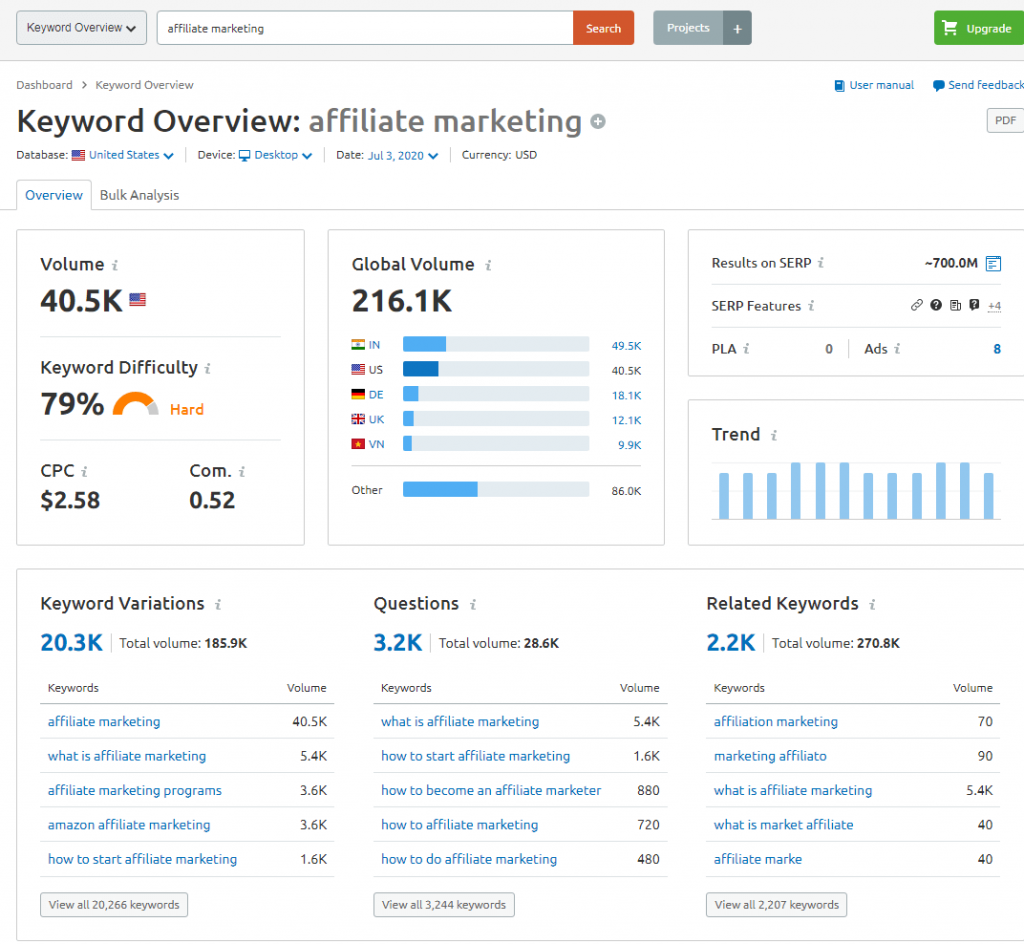
Semrush automates search intent identification by tagging queries into Informational, Navigational, Commercial, and Transactional categories directly inside the Keyword Magic Tool.
This automated classification accelerates content planning by ensuring target keywords align with searcher expectations and buying stages.
Serpstat excels in cluster analysis and semantic mapping through its Tree View report. This feature visualizes how target queries branch into sub-topics across competing ranking domains.
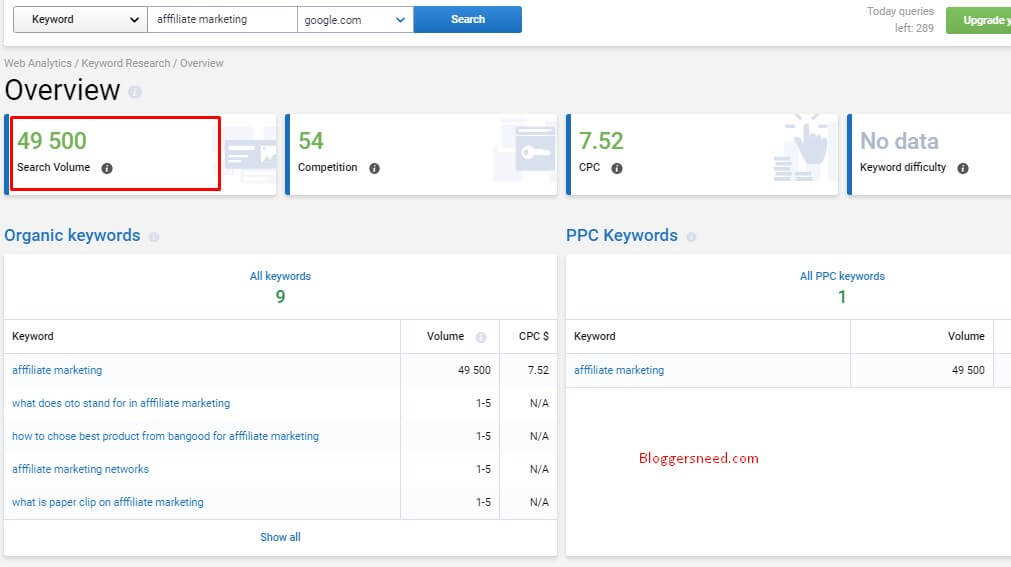
Serpstat also features a Missing Keywords tool that highlights terms where two or more competitors rank within Google’s top twenty while your domain remains unranked.
For webmasters conducting multi-tier keyword expansion, our dedicated guide to the best SEO tools provides complementary insights into enterprise search platforms.
Explore Serpstat Pricing Plans
Backlink Analysis and Crawler Velocity Compared
Semrush operates the industry’s fastest backlink crawler, indexing new links within sixty minutes across a 43-trillion link index, compared to Serpstat’s two-trillion link repository. Fast crawler indexation allows marketing teams to monitor outreach campaigns and detect negative link attacks promptly.
Semrush calculates domain strength using its proprietary Authority Score (AS), which factors in traffic quality, backlink authenticity, and organic search presence.
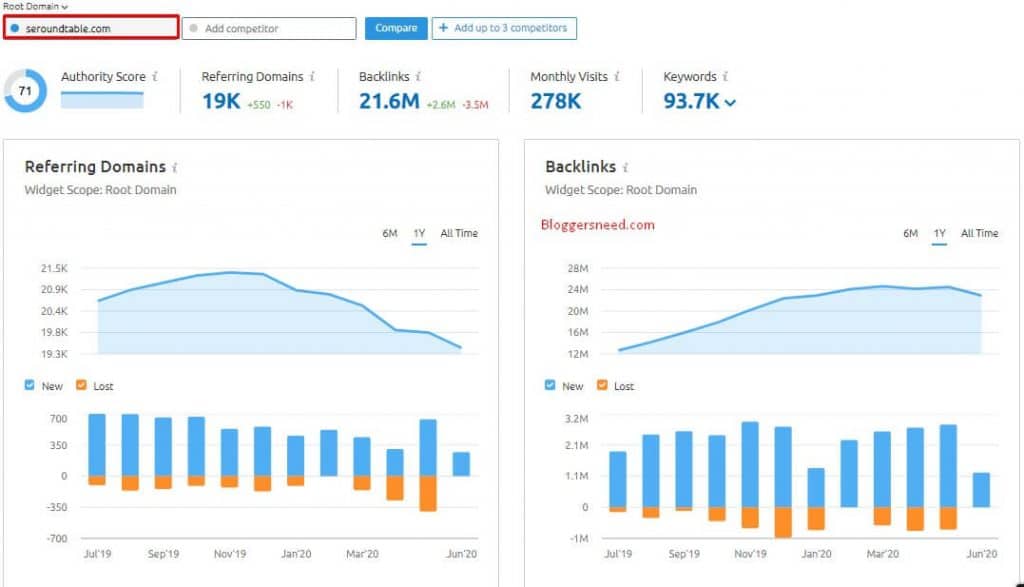
Semrush includes an automated Backlink Audit tool that evaluates toxicity scores across incoming links and exports formatted disavow files for Google Search Console.
Serpstat monitors backlink velocity through its Trust Rank and Page Rank algorithms, plotting referring domain trajectories across customizable historical timelines.
Serpstat Link Intersect lets users evaluate up to five competitor URL profiles simultaneously to uncover high-converting guest posting and editorial link prospects.
You can discover additional link analysis platforms in our detailed breakdown of the best backlink analyzer tools to evaluate crawler freshness.
Technical Site Audits and On-Page Health Checks
Semrush Site Audit scans 100,000 pages monthly on entry tiers, grouping issues into Errors, Warnings, and Notices, while Serpstat scans 30,000 pages with technical health scores. Both crawlers detect broken links, duplicate meta tags, and redirect loops effectively.
Semrush includes dedicated Core Web Vitals diagnostics that measure Cumulative Layout Shift, Largest Contentful Paint, and First Input Delay across desktop and mobile versions.
Serpstat delivers an intuitive accessibility score that assigns percentage grades to your website structure, making it straightforward to prioritize technical fixes.
Agencies requiring automated audit reports can configure Semrush to email recurring PDF diagnostic summaries directly to clients on scheduled weekly intervals.
Serpstat simplifies issue prioritization by displaying visual pie charts representing crawl depth, HTTP status code distribution, and canonical tag consistency.
Rank Tracking and Daily SERP Monitoring Precision
Semrush provides daily rank updates with automated featured snippet and local pack detection across all plans, whereas Serpstat offers flexible on-demand and daily tracking schedules. Tracking position adjustments daily ensures webmasters identify algorithmic ranking fluctuations before organic traffic drops become severe.
Semrush Position Tracking monitors multi-location search campaigns down to precise geographic coordinates, displaying competitor market share visibility metrics.
Serpstat Rank Tracker allows users to cluster tracked queries into thematic groups, observing aggregate ranking improvements across targeted product categories.
If you need specialized position tracking software, explore our curated list of verified rank tracker coupon codes for dedicated discount deals.
Both platforms support automated email alerts when monitored queries gain or lose rankings outside predefined threshold boundaries.
Pricing Plans, Limits, and Value for Money in 2026
Serpstat provides greater entry affordability starting at $59 monthly for individual bloggers, whereas Semrush starts at $139.95 for comprehensive enterprise workflows. Choosing annual billing reduces Semrush subscriptions by seventeen percent and Serpstat plans by twenty percent.
| Pricing Tier | Semrush Pricing | Serpstat Pricing | Best Use Case |
|---|---|---|---|
| Starter / Entry Plan | $139.95 / mo (Pro) | $59.00 / mo (Individual) | Freelancers & Solo Publishers |
| Mid-Tier Plan | $249.95 / mo (Guru) | $119.00 / mo (Team) | Growing Marketing Agencies |
| Advanced / Enterprise | $499.95 / mo (Business) | $299.00 / mo (Agency) | Large Digital Brands & Teams |
| Trial Option | 14-Day Free Pro Trial | Limited Free Daily Tier | Risk-Free Platform Evaluation |
You can test Semrush’s complete feature suite risk-free through our step-by-step walkthrough on securing a Semrush free trial.
Serpstat provides higher daily reporting thresholds on its entry tiers, making it attractive for data-heavy daily keyword harvesting.
Competitor Advertising and PPC Intelligence Compared
Semrush tracks competitor ad copies, Google Shopping PLA feeds, and historical bid estimates, whereas Serpstat monitors core search text ads. Analyzing historical pay-per-click strategies prevents bidding on unprofitable terms and reveals seasonal ad spend shifts.
Semrush displays live display advertisement creatives, target audience demographic splits, and landing page URLs used across competing banner campaigns.
Serpstat allows marketers to review historical ad copies used by competing domains to craft high-converting ad copy headlines quickly.
Reviewing competitor PPC budgets helps growth teams benchmark their own acquisition spend against industry rivals.
Agency Reporting and White-Label Client Dashboards
Semrush’s Agency Growth Kit features white-label PDF reporting and dedicated client portal dashboards, while Serpstat offers customized PDF report exports across all team tiers. Client-facing reporting automation saves agencies hours of manual data collation each billing cycle.
Semrush allows agencies to embed custom branding, company logos, and personalized commentary across automated performance emails.
Serpstat lets users schedule recurring email dispatches of rank tracking and technical audit reports directly to stakeholders.
Final Verdict: Which SEO Tool Should You Choose?
Semrush is the champion for professional marketers, agencies, and enterprises demanding unmatched data depth, while Serpstat is ideal for budget-conscious creators seeking reliable all-in-one SEO. Investing in Semrush pays dividends for complex campaigns, while Serpstat provides daily utility at low cost.
If your monthly software budget allows one hundred forty dollars, Semrush provides the highest information gain and competitive intelligence in search marketing.
If your budget is constrained under sixty dollars monthly, Serpstat gives you everything necessary to research, audit, and track websites toward first-page rankings.
Frequently Asked Questions About Semrush vs Serpstat
Frequently asked questions clarify core differences regarding pricing value, database precision, API limits, and agency reporting capabilities between Semrush and Serpstat. Reviewing these answers helps marketing teams make confident software investments aligned with business goals.
Is Serpstat a good budget alternative to Semrush?
Yes, Serpstat serves as an exceptional budget alternative to Semrush for solo bloggers, in-house marketers, and boutique agencies at fifty-nine dollars monthly. While Semrush maintains a larger database, Serpstat delivers core workflow essentials at half the recurring cost.
Which tool has more accurate search volume data?
Semrush delivers noticeably more accurate search volume metrics across competitive niches because its machine learning algorithm blends clickstream datasets with verified Google Search Console query logs. Serpstat estimates volume reliably across broad regional markets, but Semrush offers sharper intent classification and local search accuracy.
Does Serpstat offer a free trial?
Serpstat provides a restricted free account tier granting up to ten search queries daily without requiring credit card registration during signup. Conversely, Semrush provides an unrestricted fourteen-day free trial on its Pro plan, enabling webmasters to audit complete websites and export comprehensive keyword sheets.
Can you track mobile search rankings in Semrush and Serpstat?
Both Semrush and Serpstat offer robust rank tracking across desktop and mobile devices down to city, state, and postal code precision. Semrush provides superior daily SERP volatility detection and featured snippet tracking, while Serpstat offers flexible project scheduling and automated ranking email alerts.
How do backlink crawler speeds compare between Semrush and Serpstat?
Semrush maintains a fast commercial crawler, indexing newly published backlinks in under sixty minutes with its 43-trillion link index. Serpstat processes backlink profiles steadily across its two-trillion link repository, making it suitable for routine audits but slower for rapid outreach tracking.

I’m Abdullah Prem, a passionate blogger with over 10 years of experience. I created BloggersNeed to produce high-quality, easy-to-understand articles, guides, and tutorials that help people start their blogging journey. Specializing in WordPress, Hosting, Themes, and online money-making strategies, I’ve been featured on leading tech platforms such as Tech.co, Cloudways, Business2Community, Leadpages, GoodFirms, and ShareThis. BloggersNeed.com