
Learning how to add popup in wordpress allows webmasters to deploy modal opt-in lightboxes, notification bars, and exit-intent lead captures without complex custom coding. Strategic modal deployment captures reader interest before abandonment, substantially increasing email subscriber opt-in conversion rates across high-traffic digital publications.
Modern lead acquisition funnels depend on cohesive website technology. When building responsive lead capture funnels, reviewing our curated list of essential WordPress plugins helps connect modal forms directly with CRM automation and database marketing infrastructure.
Auditing user interaction signals ensures modal triggers do not degrade reader retention. Applying technical on-page SEO strategies prevents intrusive layouts from impacting Core Web Vitals while preserving organic search visibility and mobile user experience.
How to Add Popup in WordPress Using Free Plugins
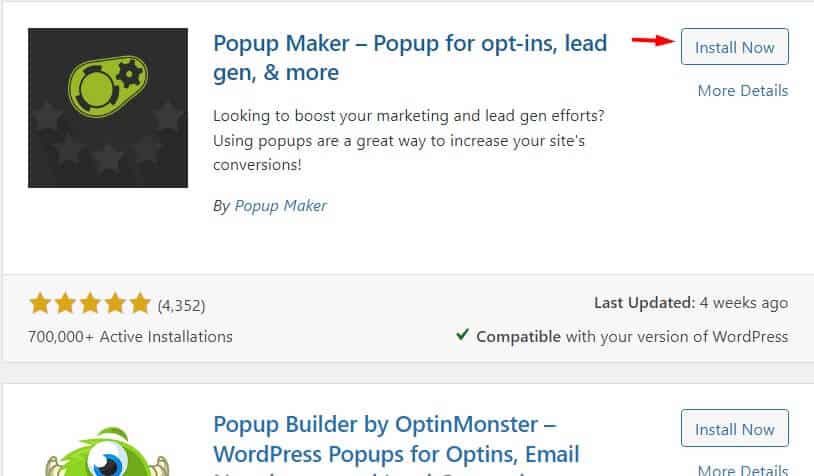
To add a popup in WordPress using free plugins, install the Popup Maker plugin from the official WordPress repository. Create a new popup container, insert your conversion form blocks, configure automatic time delay triggers, define targeting rules, and publish your live responsive modal.
Free popup software provides accessible toolsets for bloggers, marketers, and ecommerce merchants. Standard WordPress block integration ensures forms match active theme typography without enqueuing bulky standalone styling frameworks across entire page templates.
Selecting reliable software prevents common administrative script conflicts. Established plugins register standardized WordPress hooks, ensuring scripts execute asynchronously without blocking critical path rendering or delaying First Contentful Paint metrics on desktop viewports.
Step-by-Step Walkthrough: How to Make a Popup in WordPress
To make a popup in WordPress, open the Popup Maker dashboard, click Add Popup, and design your conversion container. Set display triggers such as scroll depth or time delays, specify cookie expiration periods to prevent display fatigue, and publish the active modal.
This structured wordpress popup tutorial details the complete configuration process. Following this sequential setup sequence prevents misconfigured triggers, layout shifts, and unwanted mobile display penalties across production websites.
Step 1: Install and Activate Popup Maker. Navigate to your administrative dashboard, select Plugins, click Add New, enter Popup Maker into the search field, install the package, and click activate to initialize plugin database tables.
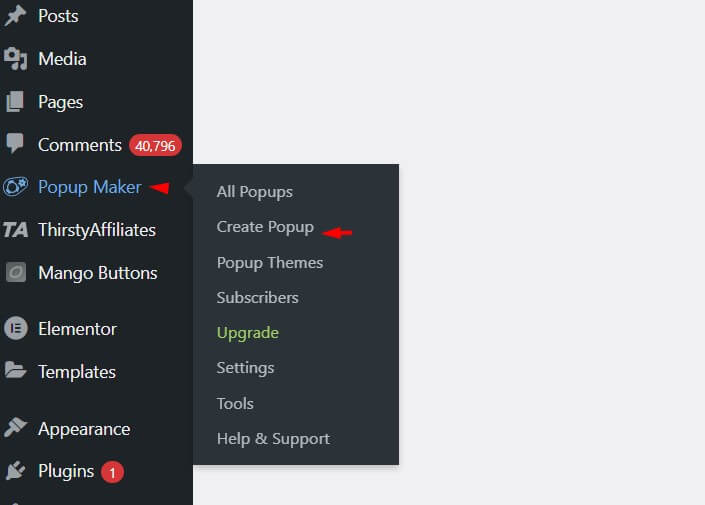
Step 2: Initialize a New Modal Interface. Select Popup Maker from the left-hand navigation menu and click Add Popup. Assign an internal administrative title to categorize the campaign before structuring customer-facing headline copy.
Step 3: Construct Opt-In Copy and Embed Forms. Insert your promotional value proposition into the content area. Embed newsletter opt-in shortcodes, lead magnet download buttons, or custom discount coupon codes using standard Gutenberg paragraph and button blocks.
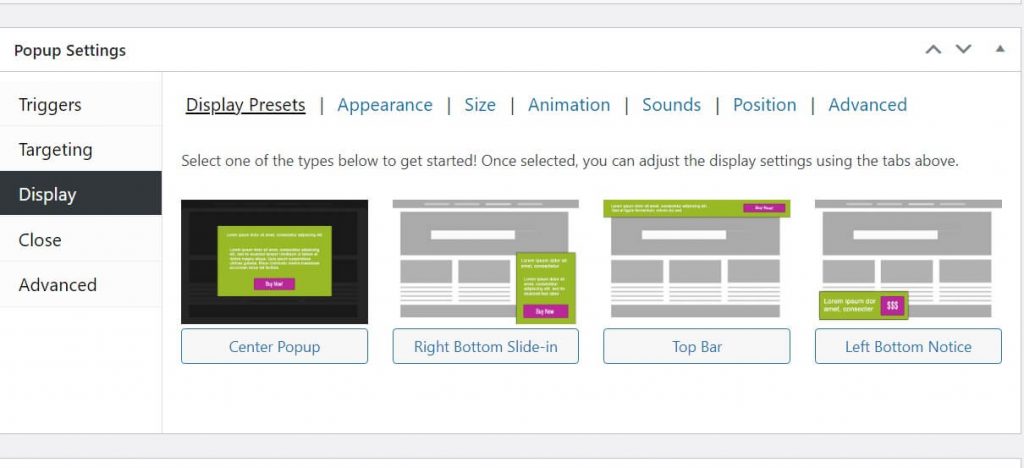
Step 4: Configure Display Dimensions and Overlay Appearance. Scroll down to the Popup Settings meta box located beneath the editor. Open the Display tab to select modal sizing, center positioning, and background overlay opacity levels.
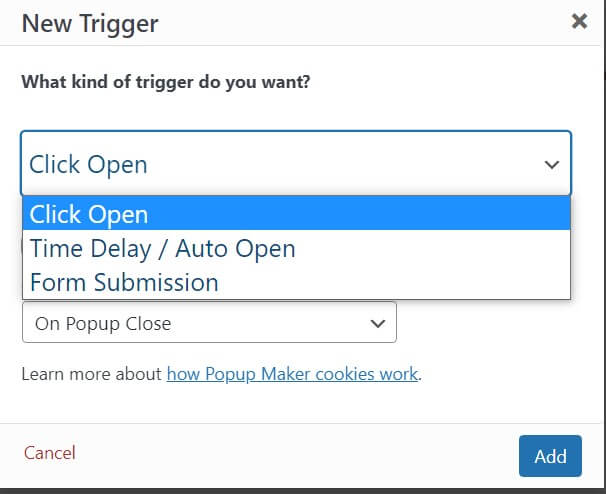
Step 5: Define Behavioral Triggers and User Cookies. Click Add New Trigger under the Triggers panel. Select Time Delay / Auto Open with an initial duration of five hundred milliseconds, or choose Click Open to bind the modal to buttons.
Step 6: Assign Suppression Cookies. Check the box to add a browser cookie when the trigger activates. Setting cookie persistence to thirty days prevents the popup from recurring continuously on subsequent page views for returning readers.
Step 7: Configure Granular Audience Targeting Rules. Switch to the Targeting tab to specify exact site conditions. You can restrict modal execution to specific blog categories, WooCommerce products, or individual landing page URLs.
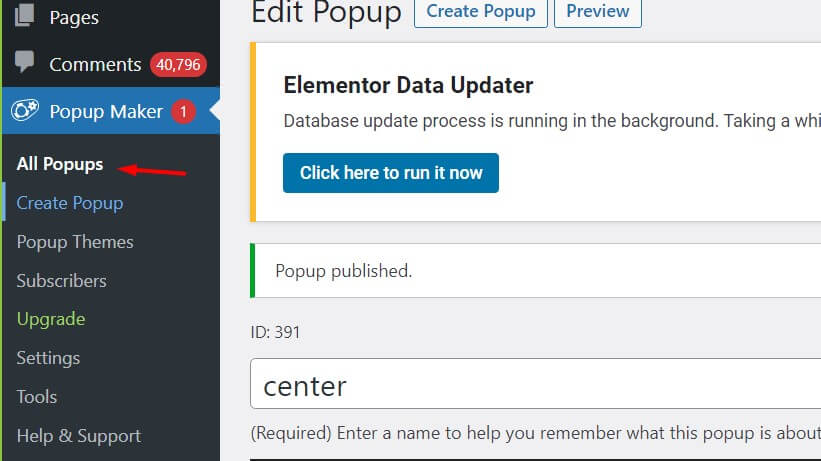
Step 8: Review Active Campaigns on the Central Dashboard. Navigate to All Popups to monitor trigger types, active cookie durations, and cumulative impression counters across your entire published campaign inventory.
Step 9: Test Frontend Rendering Across Devices. Open your public website in an incognito window to verify modal alignment, dismiss button functionality, and responsive scaling across mobile, tablet, and desktop viewports.
How to Create Popup in WordPress Without Plugin
To create popup in WordPress without plugin scripts, insert a native HTML5 dialog element or modal container into your child theme footer template. Style the overlay using custom CSS rules, and attach a lightweight JavaScript click event listener to control display toggle states.
Building modals without third-party plugins eliminates database overhead, prevents external stylesheet bloat, and preserves rapid server execution times. Clean semantic code reduces total page size while preventing third-party script conflicts with core theme assets.
The code architecture consists of three clean components: structural HTML markup, positional CSS styling, and an asynchronous JavaScript event listener. Webmasters can safely append these snippets via a child theme or custom code snippet manager.
The HTML markup defines the background overlay and the content container. Place this structural snippet before the closing body tag inside your child theme footer template.
<div id="custom-modal-overlay" class="modal-hidden">
<div class="custom-modal-card">
<button id="modal-close-trigger" aria-label="Close">×</button>
<h3>Exclusive Newsletter Updates</h3>
<p>Subscribe to receive verified optimization techniques.</p>
<form action="/subscribe" method="post">
<input type="email" placeholder="Enter your email" required />
<button type="submit">Join Free</button>
</form>
</div>
</div>The accompanying CSS rules handle centered viewport positioning and smooth opacity transitions. Add these styles to your child theme style stylesheet.
#custom-modal-overlay {
  position: fixed;
  inset: 0;
  background: rgba(0, 0, 0, 0.65);
  display: flex;
  align-items: center;
  justify-content: center;
  z-index: 99999;
  transition: opacity 0.3s ease;
}
.modal-hidden {
  display: none !important;
}
.custom-modal-card {
  background: #ffffff;
  padding: 32px;
  border-radius: 8px;
  max-width: 480px;
  width: 90%;
  position: relative;
}
The JavaScript handler manages user interactions and session suppression. This script monitors exit intent or button clicks, toggling visibility classes without invoking external libraries.
document.addEventListener('DOMContentLoaded', function () {
  var overlay = document.getElementById('custom-modal-overlay');
  var closeBtn = document.getElementById('modal-close-trigger');
  if (!sessionStorage.getItem('modal_dismissed')) {
    setTimeout(function () {
      overlay.classList.remove('modal-hidden');
    }, 4000);
  }
  closeBtn.addEventListener('click', function () {
    overlay.classList.add('modal-hidden');
    sessionStorage.setItem('modal_dismissed', 'true');
  });
});
Alternative Premium Solution: Bloom Email Opt-In Plugin
Bloom by Elegant Themes is an alternative premium popup solution providing over one hundred conversion-focused templates, six display formats, and sixteen email marketing integrations. Its built-in split testing and granular trigger controls enable high-converting opt-in campaigns without manual code adjustments.
Site owners seeking enterprise marketing features frequently prefer dedicated commercial suites over free repository plugins. Bloom combines visual layout builders with automated trigger detection, empowering non-technical webmasters to deploy high-converting lead campaigns effortlessly.
Key technical capabilities of Bloom include automated split testing across variant copy, timed display delays, bottom-right fly-ins, inline post opt-ins, and locked content gates that require newsletter verification before accessing premium editorial downloads.
Direct integration with major email marketing providers like Mailchimp, ActiveCampaign, and ConvertKit eliminates Zapier middleware costs. Bloom authenticates subscriber entries via secure API endpoints, transmitting contact records directly into designated marketing lists.
Effective Behavioral Triggers for Lead Generation Popups
Effective popup behavioral triggers include timed delays, scroll percentage thresholds, user click actions, and exit-intent cursor tracking. Selecting appropriate trigger conditions balances visitor engagement with lead acquisition speed, maximizing newsletter opt-in conversion rates across digital publications without degrading overall reader retention or engagement.
Timing determines whether a modal captures an interested lead or repels an engaged reader. Instant popups appearing during initial DOM load disrupt reading flow, producing high bounce rates and diminished average session durations.
Scroll depth triggers activate when readers consume fifty to seventy percent of an article. At this stage, visitors have validated your content authority, creating ideal psychological conditions for newsletter signups and lead magnet downloads.
Exit-intent triggers monitor mouse vector movement toward the browser navigation bar or tab closing icon. By firing exclusively when visitors prepare to depart, exit overlays capture expiring session traffic without disrupting active article consumption.
Core Web Vitals and Google Mobile Interstitial Guidelines
Google penalizes websites using intrusive mobile interstitials that obstruct core editorial content immediately after page load. To maintain search ranking compliance, ensure mobile popups display dismissible banners, avoid shifting layout elements, and defer modal execution until secondary user interaction milestones occur across viewports.
Google search algorithms prioritize seamless mobile browsing experiences. Covering primary content viewports with unprompted promotional overlays directly violates Google interstitial policies, risking algorithmic ranking demotions across mobile search results.
Modal positioning also affects Cumulative Layout Shift scores. If a popup injects elements into the normal document flow rather than using fixed positioning coordinates, parent containers shift unexpectedly, degrading PageSpeed Insights performance ratings.
Interaction to Next Paint metrics require lightweight modal script execution. Heavy external tracking scripts freeze the main browser thread during open events, producing perceptible input delays that irritate visitors and harm overall user satisfaction.
Frequently Asked Questions About WordPress Popups
Common questions about WordPress popups focus on search ranking safety, optimal trigger selection, category targeting, cookie suppression rules, and layout format choices. Understanding these operational variables ensures high lead capture performance while maintaining technical page speed performance and complete search engine compliance.
Do popups hurt website SEO or search rankings?
Popups do not harm SEO when configured to respect Google search guidelines. Modals that defer appearance until user engagement occurs, preserve mobile accessibility, and avoid layout shifts comply with algorithmic standards without triggering intrusive interstitial penalties or organic ranking drops across search indexes.
Google permits legitimate regulatory dialogs, age verification screens, and unobtrusive notification banners. To remain compliant, avoid immediate full-screen modal overlays on mobile viewports, ensuring readers can access primary content without mandatory dismissal taps.
What is the most effective popup trigger for lead generation?
Exit-intent triggers and sixty percent scroll depth thresholds generate the highest lead generation conversion rates. These conditional triggers engage qualified readers after initial content consumption, converting interested prospects into loyal email subscribers without interrupting initial page evaluation or general reading flow.
Testing different trigger rules across diverse blog categories reveals audience preferences. High-intent commercial product reviews convert effectively with exit-intent modals, whereas educational tutorials achieve superior subscription rates using scroll depth triggers.
Can I show popups only on specific blog posts?
Yes, both free and premium WordPress popup plugins include granular targeting settings. Site administrators can filter modal visibility based on post categories, specific post identification numbers, taxonomies, WooCommerce product tags, or custom post type parameters across entire active website networks.
Targeted campaigns dramatically outperform generic site-wide popups. Presenting tailored lead magnets aligned with specific article topics increases relevance, driving substantial conversion gains while reducing dismiss rates among regular blog visitors.
How do I prevent popups from showing repeatedly to the same visitor?
Configure cookie expiration parameters within popup settings to suppress repeated modal displays. Storing a closed popup cookie for thirty days ensures returning readers browse your content freely without encountering repetitive overlays during subsequent reading sessions across your entire publishing domain.
Cookie-based suppression respects reader attention and brand reputation. Setting separate cookie timers for converted subscribers prevents your system from displaying opt-in offers to individuals who already joined your marketing database.
What is the difference between modal popups and slide-in notifications?
Modal popups center over primary content with dark background overlays, demanding immediate reader focus. Slide-in notifications appear unobtrusively in screen corners, allowing uninterrupted reading while presenting optional subscription forms without blocking central viewport visibility or essential editorial paragraph text on mobile devices.
Slide-in opt-ins deliver excellent engagement on long-form guides and documentation pages. Because slide-ins leave main article text visible, mobile users experience zero visual disruption while retaining convenient access to subscription fields.

I’m Abdullah Prem, a passionate blogger with over 10 years of experience. I created BloggersNeed to produce high-quality, easy-to-understand articles, guides, and tutorials that help people start their blogging journey. Specializing in WordPress, Hosting, Themes, and online money-making strategies, I’ve been featured on leading tech platforms such as Tech.co, Cloudways, Business2Community, Leadpages, GoodFirms, and ShareThis. BloggersNeed.com